



The Cities Being Built From Scratch
A new generation of cities is being built from ambition, necessity and the promise of a cleaner urban future. The harder question is whether a city’s soul can be designed, or only earned through time, friction and human mess.
by Anamaria Roa
Every city carries the weight of every decision made before it. Streets that follow old trade routes. Neighborhoods shaped by wars, floods, kings, and accidents nobody remembers anymore. For thousands of years, that was simply how cities came to be. Nobody designed Istanbul. It accumulated.
Now, for the first time at this scale, a handful of countries are asking a different question. If you could start over, knowing everything we know now, what would you build? Not a city shaped by history, but one shaped by everything history has taught us.
A Clean Slate, On Purpose
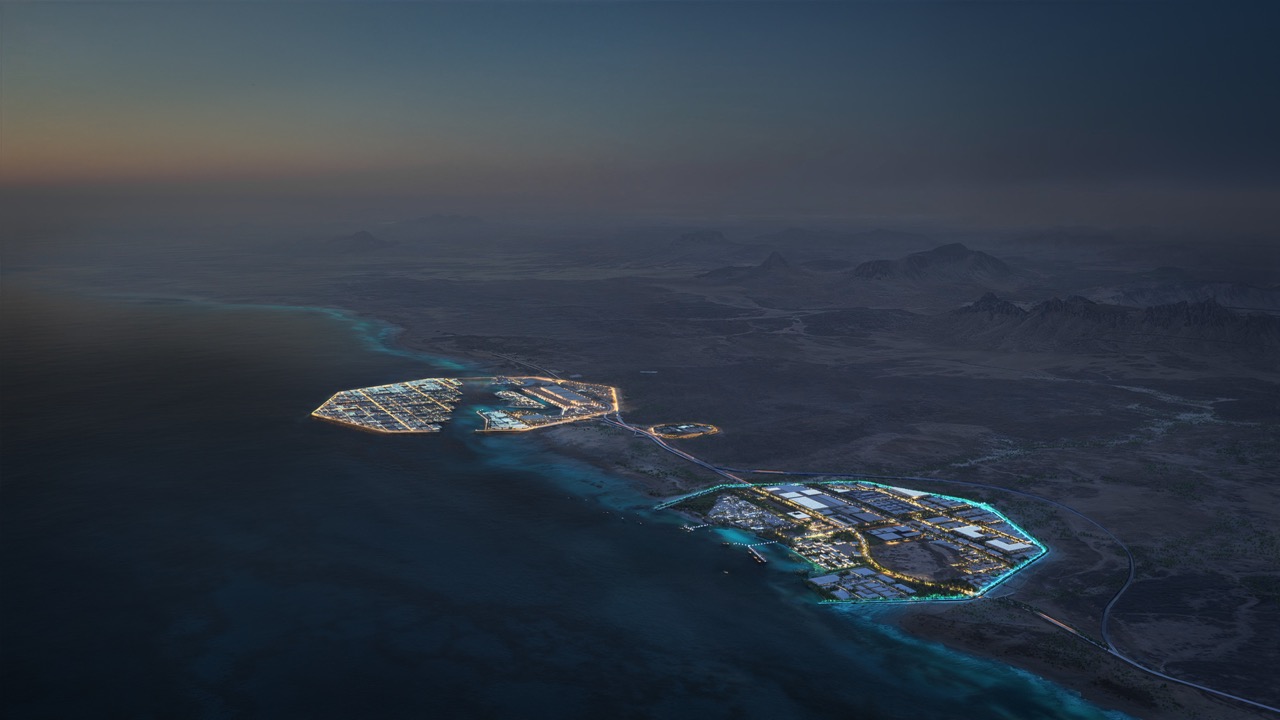
NEOM in Saudi Arabia is the boldest version of this idea. First announced in 2017, it is being constructed in Tabuk, on the northern tip of the Red Sea, as the centerpiece of Saudi Arabia’s plan to build an economy beyond oil. It is a city designed around the assumption that the next century will run on different energy, different transport, different ways of living and working, and built to match that from day one.
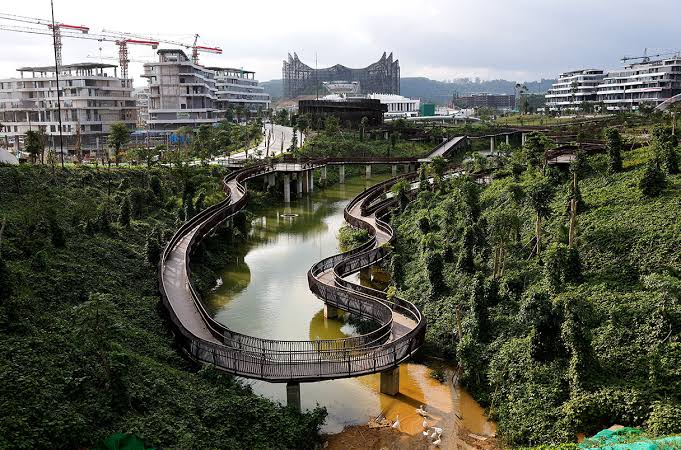
Nusantara, Indonesia’s new capital rising out of the Borneo rainforest, was conceived to solve a different problem. Jakarta, the current capital, is the world’s largest city, and it is sinking. Construction began in 2022, and the city’s core government district, including a Garuda shaped presidential palace, is nearly complete.
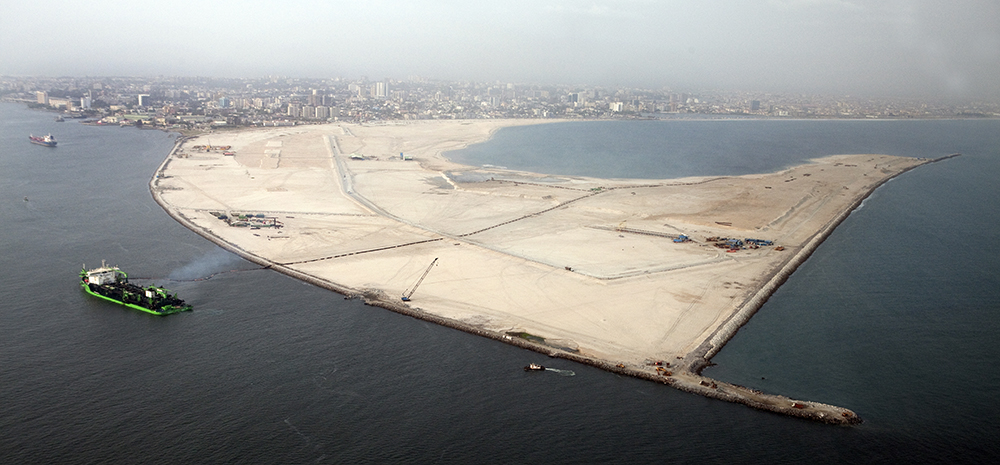
Eko Atlantic, on reclaimed land off the coast of Lagos, is the success story so far. As of 2026, over 80 percent of the planned land reclamation is complete, alongside a significant corporate migration into the new district. The finished city is projected to house at least 250,000 residents, with another 150,000 people commuting daily, and it operates on its own independent power and water systems, separate from the rest of Lagos.
Working as an attempt to apply everything we have learned about how cities work, and don’t work, to a place that has no constraints yet. Better transport from the start. Better energy systems. Better planning for density, for green space, for climate. In theory, this is civilization editing its own first draft.
That is genuinely exciting. Most of the world’s great cities are working against themselves. Infrastructure built for a population a tenth of its current size. Streets designed for horses, now full of cars. A new city gets to skip all of that.
The Harder Question
Here is what is interesting about all three. Each one started as a complete vision. And each one is now being negotiated in real time, against money, politics, and the slow reality of construction.
That negotiation might be the most human part of the entire story. A plan that cannot bend will eventually break. A plan that bends is, in a strange way, starting to behave like a real city. NEOM scaling back The Line and pivoting toward what is actually working. Nusantara is becoming a political capital instead of the capital. Eko Atlantic growing phase by phase rather than all at once. None of this was in the original renderings. All of it is, in its own way, the city beginning to live.
But efficiency was never really what made people fall in love with a city.
Nobody visits Istanbul for the traffic flow. Nobody falls for Venice because the infrastructure makes sense. What people respond to is something harder to plan for. A street that feels alive at 11pm for no obvious reason. A neighborhood that has its own personality because generations of people argued, adapted, and left their mark on it without meaning to. Cities develop a kind of soul through sheer accumulated human mess.
So the real question for these new cities is not whether they can be better planned. They almost certainly will be. The question is whether a soul can be designed, or whether it only ever happens by accident, over time, through things nobody controls.
It is worth being careful here. The instinct is to assume the answer is no, that anything planned this thoroughly will feel sterile. But that might be too easy. Culture has always found its way into planned spaces eventually. People are remarkably good at making a place their own, even one that was not designed with room for that. Give it enough time, enough residents, enough small decisions made by people who actually live there, and maybe a soul grows anyway. Just on a different timeline than the buildings.
The Real Experiment
What makes this moment interesting is that we are about to find out. These cities are being built at a scale and speed that has never really been tried before. If a soul can be cultivated rather than only inherited, we may be watching it happen in real time, for the first time.
And if it can’t, that tells us something important too. It would mean the things people love most about cities were never really about design at all. That they come from time, friction, and the freedom for things to go slightly wrong.
Either way, it is a genuinely fascinating experiment to be alive for. A chance to take everything humanity has learned about building places, and find out what that knowledge can and cannot give us.
