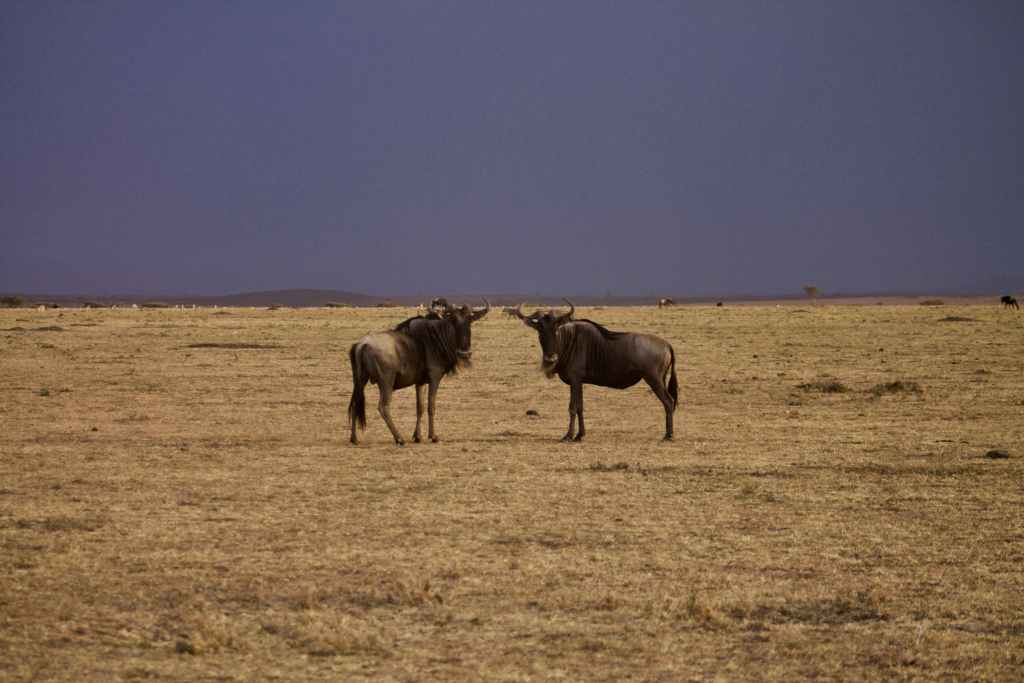
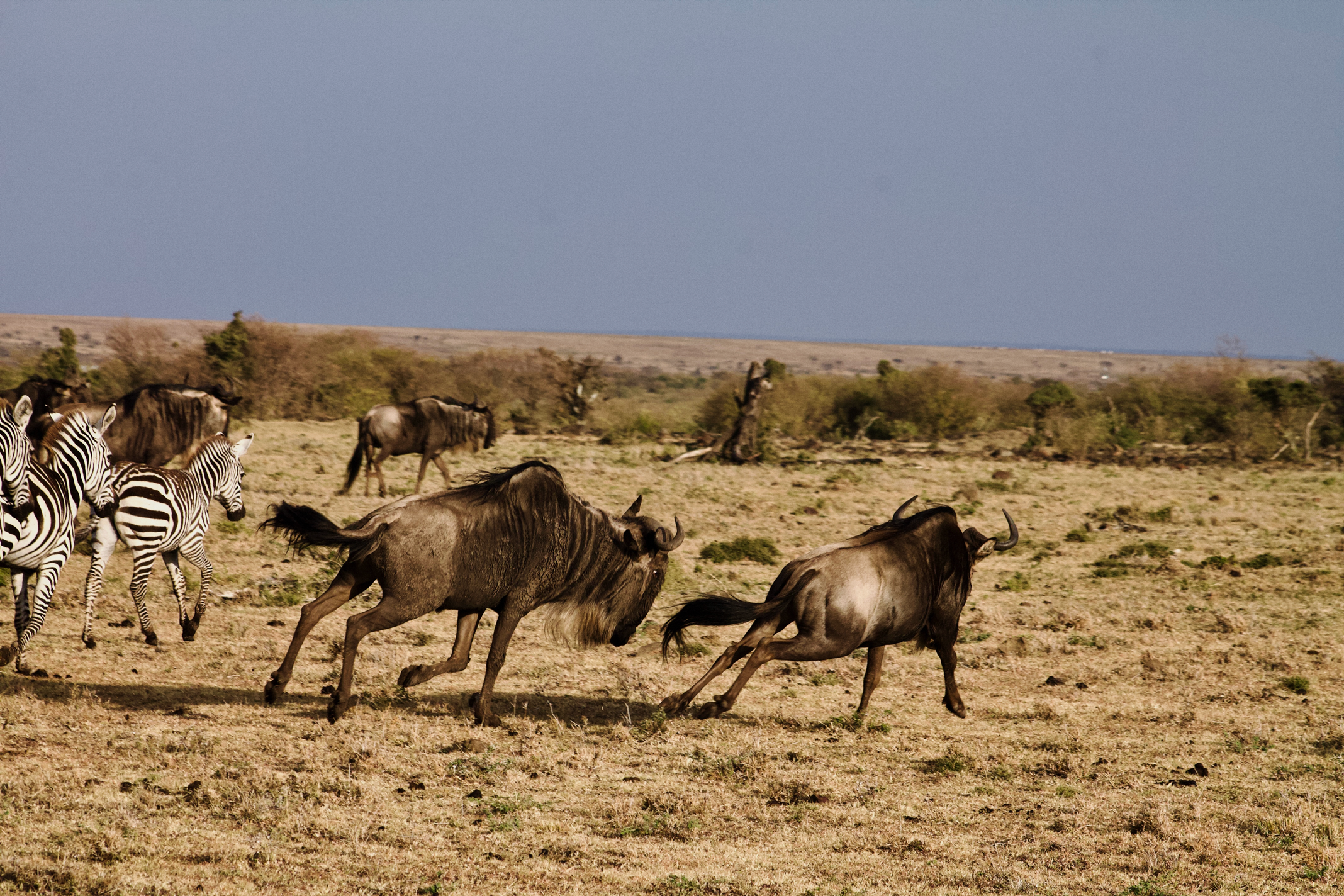
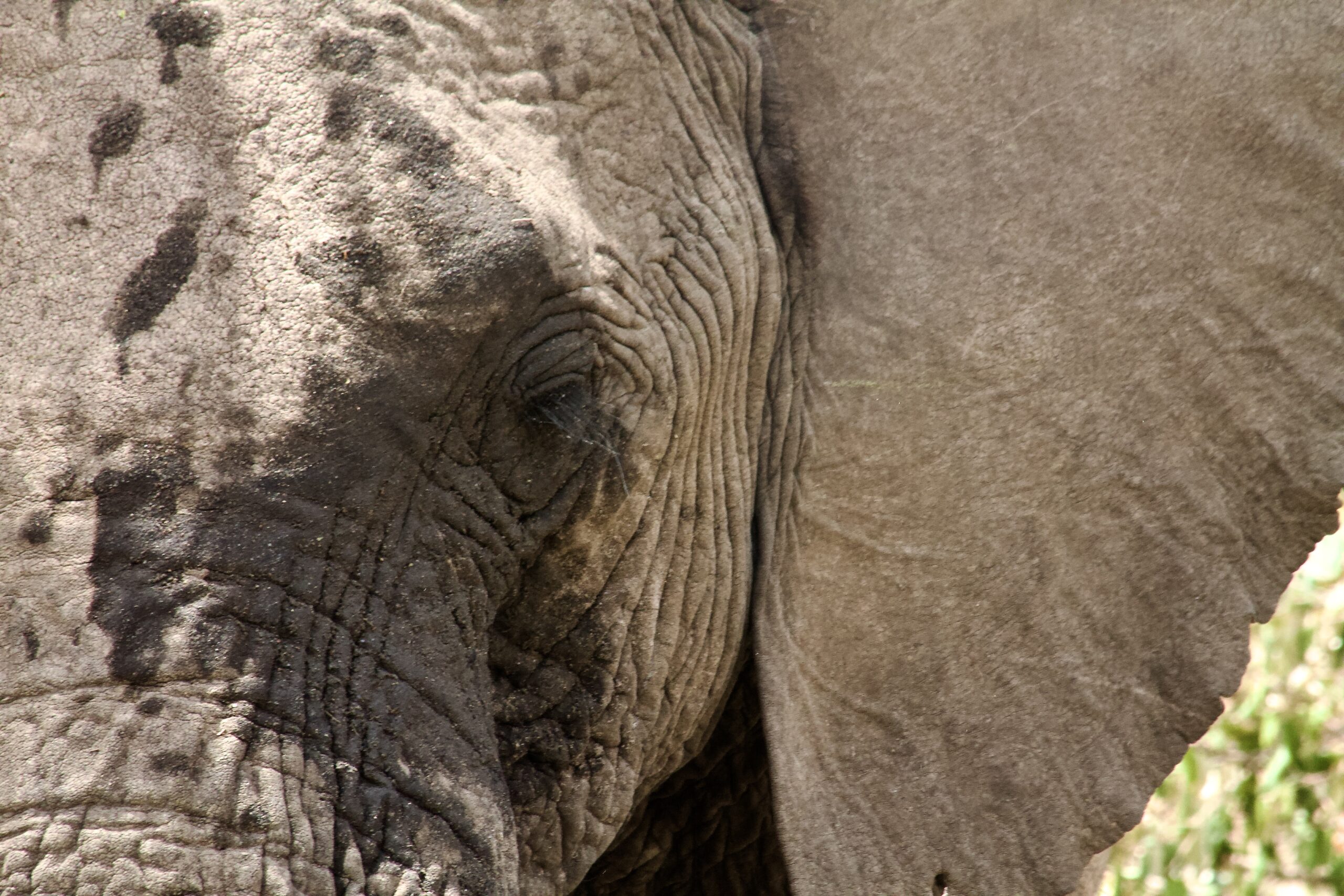
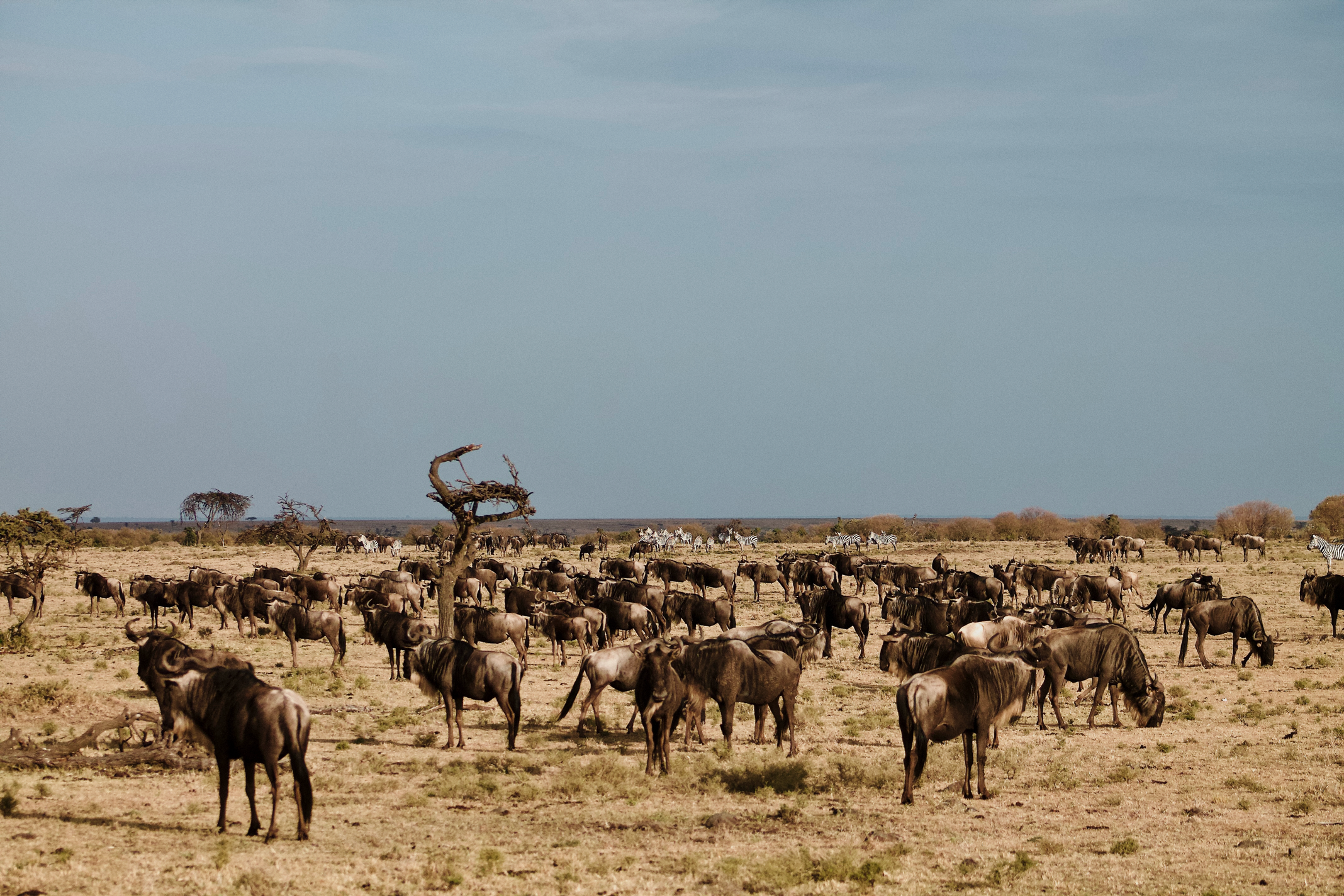
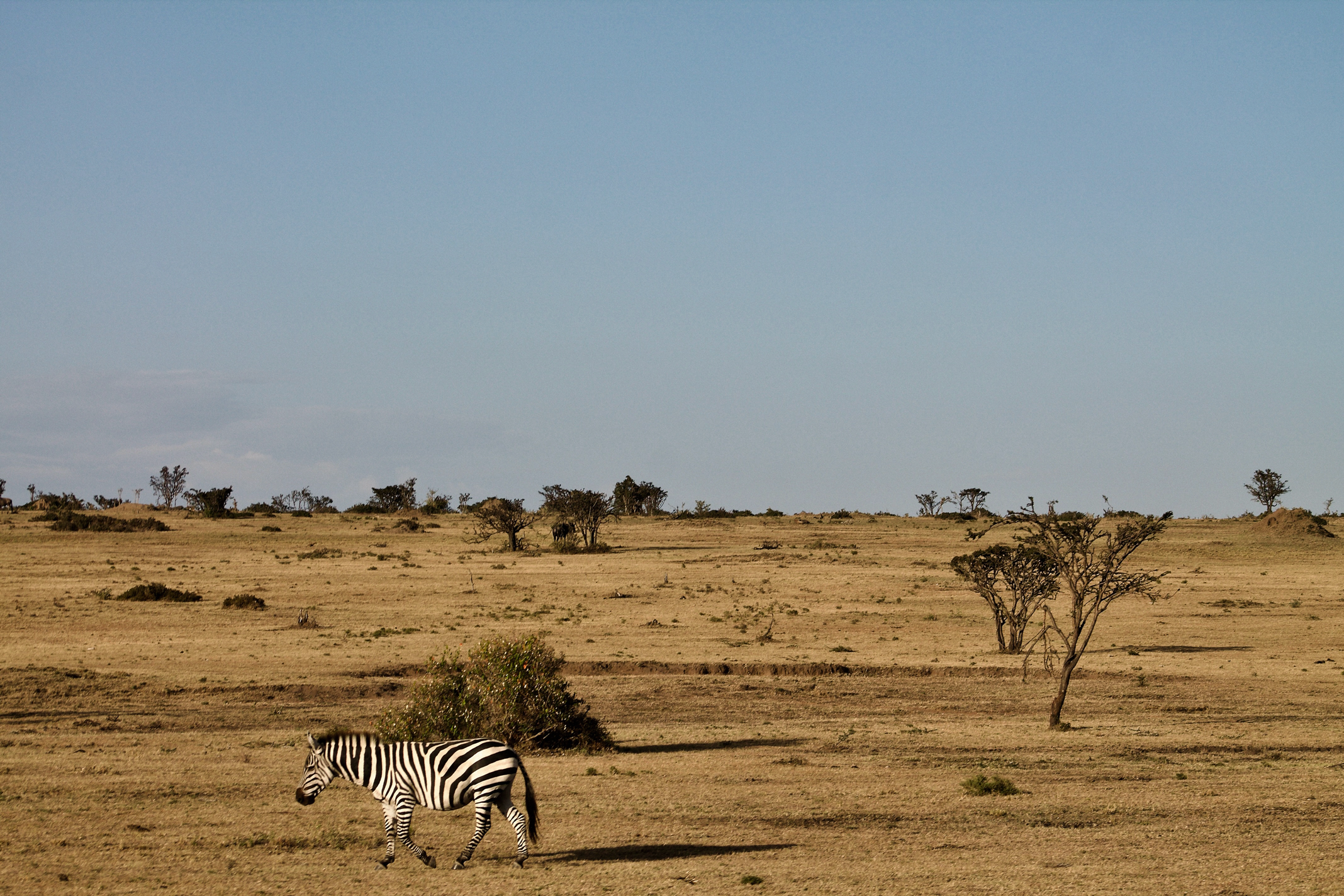
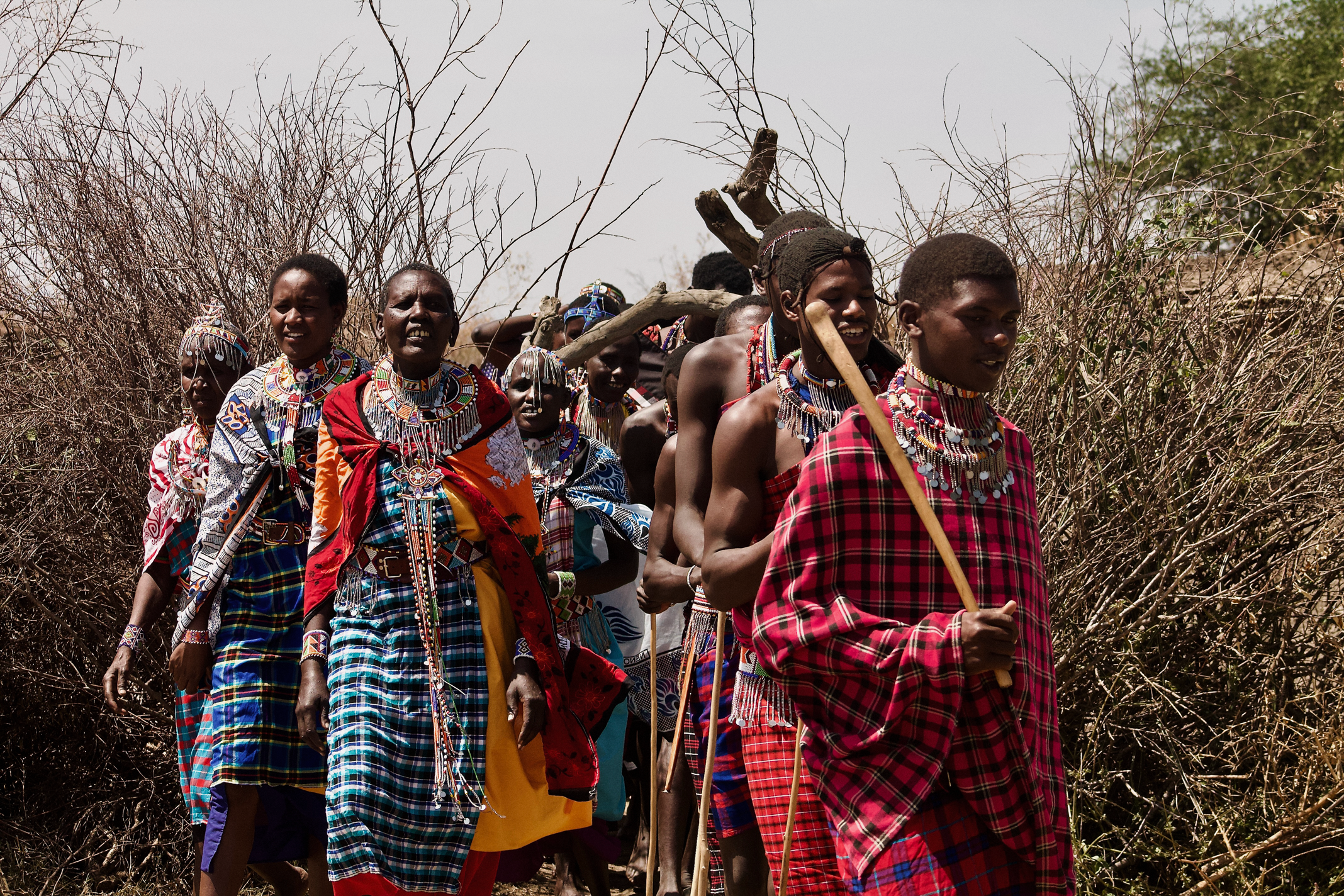
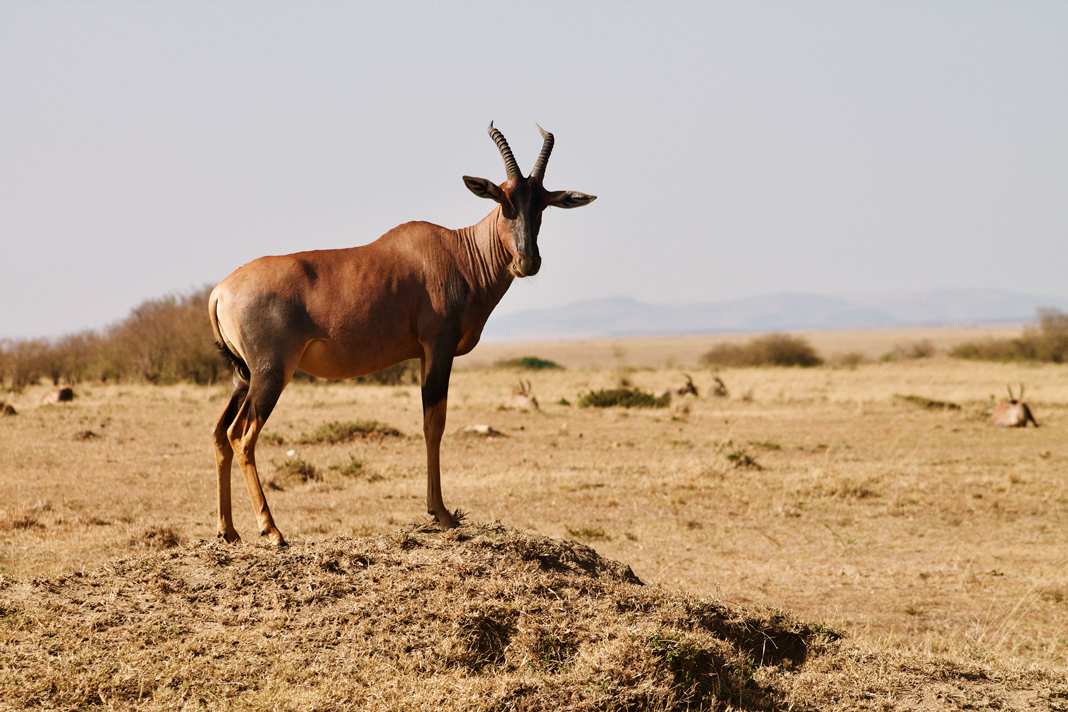
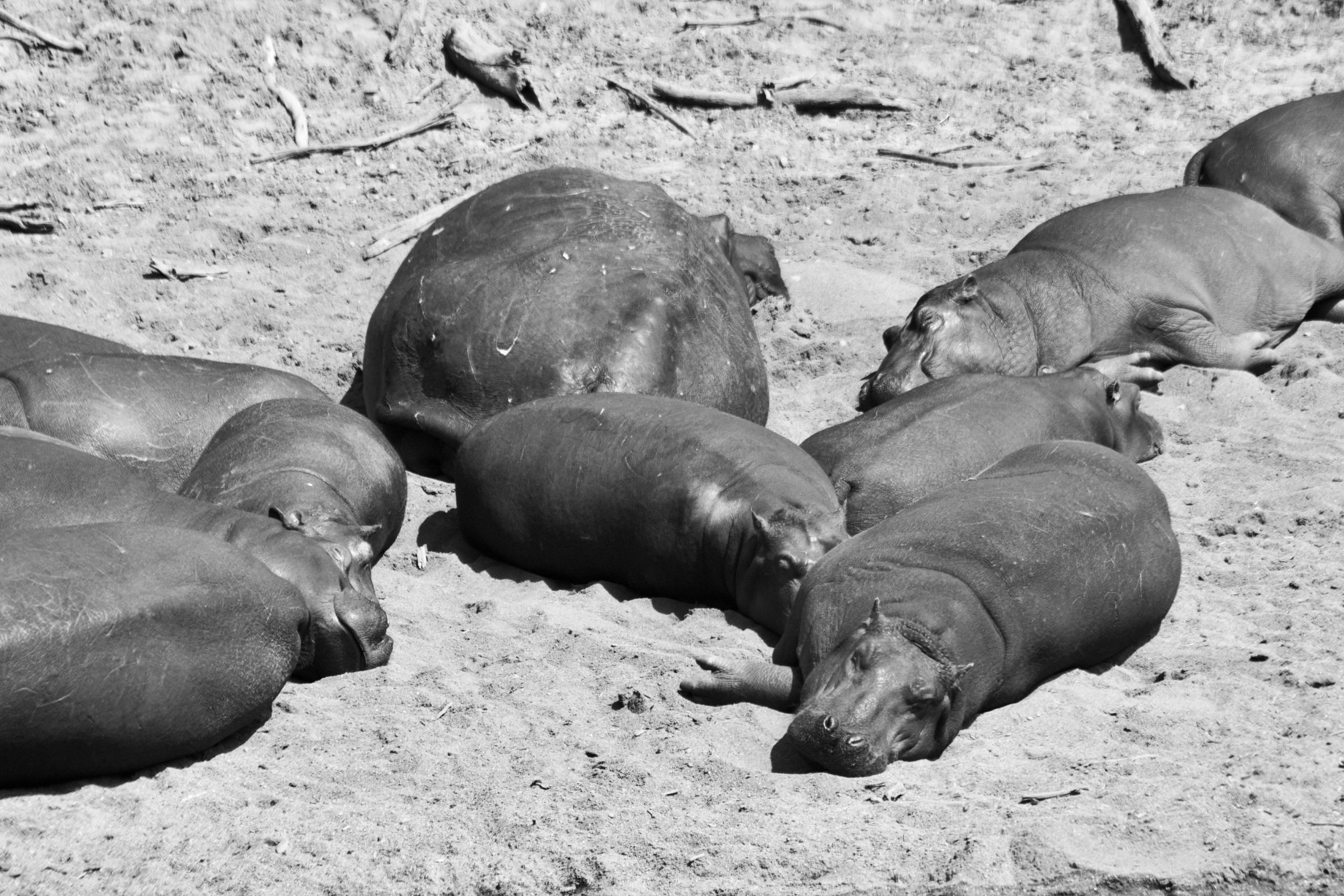
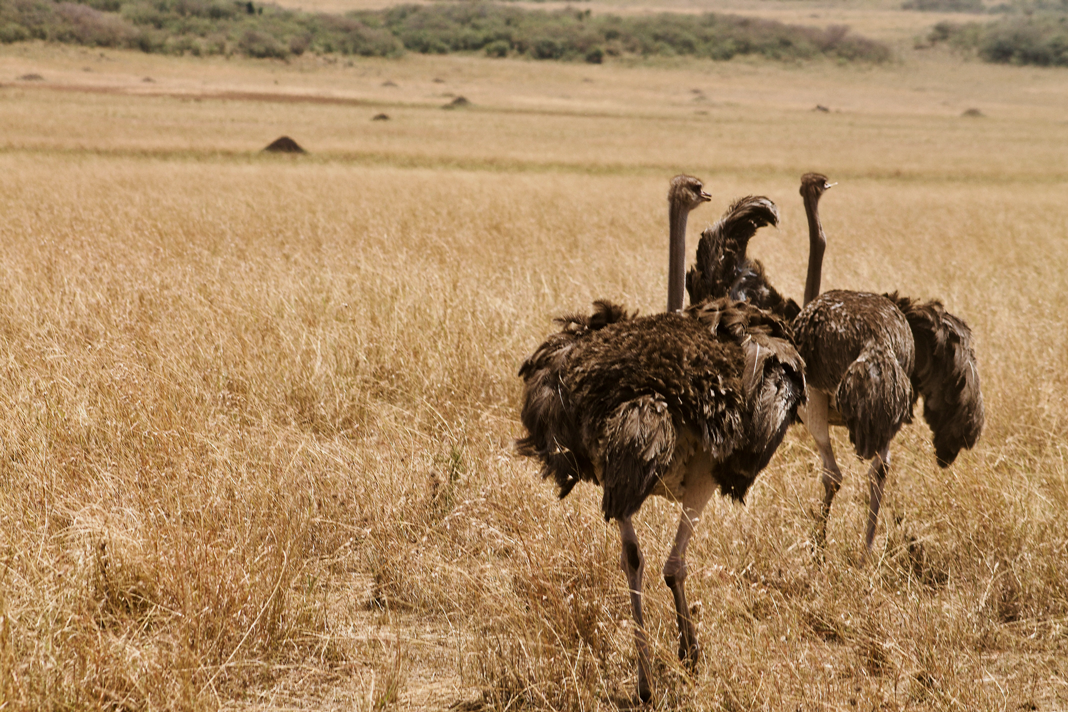
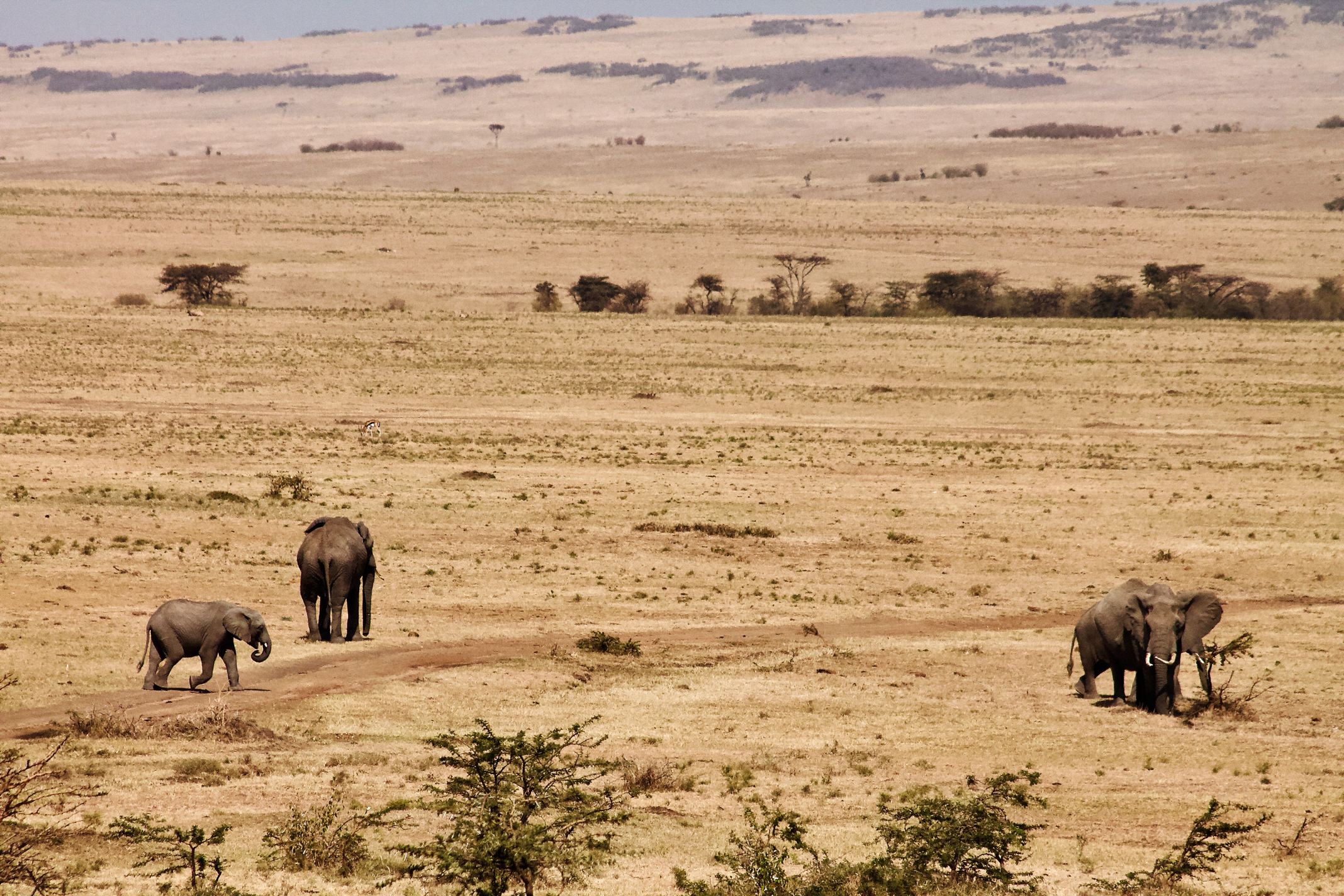
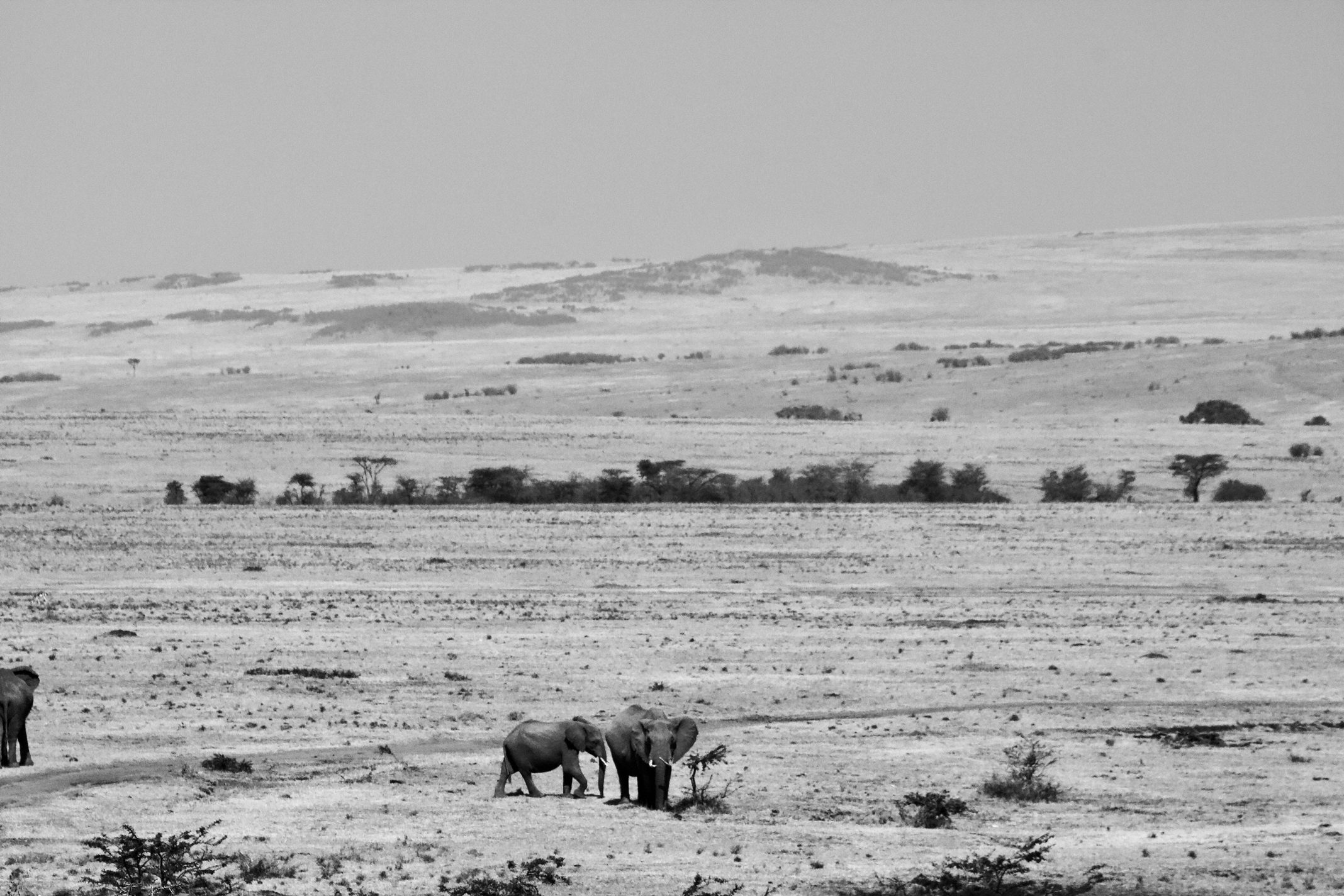
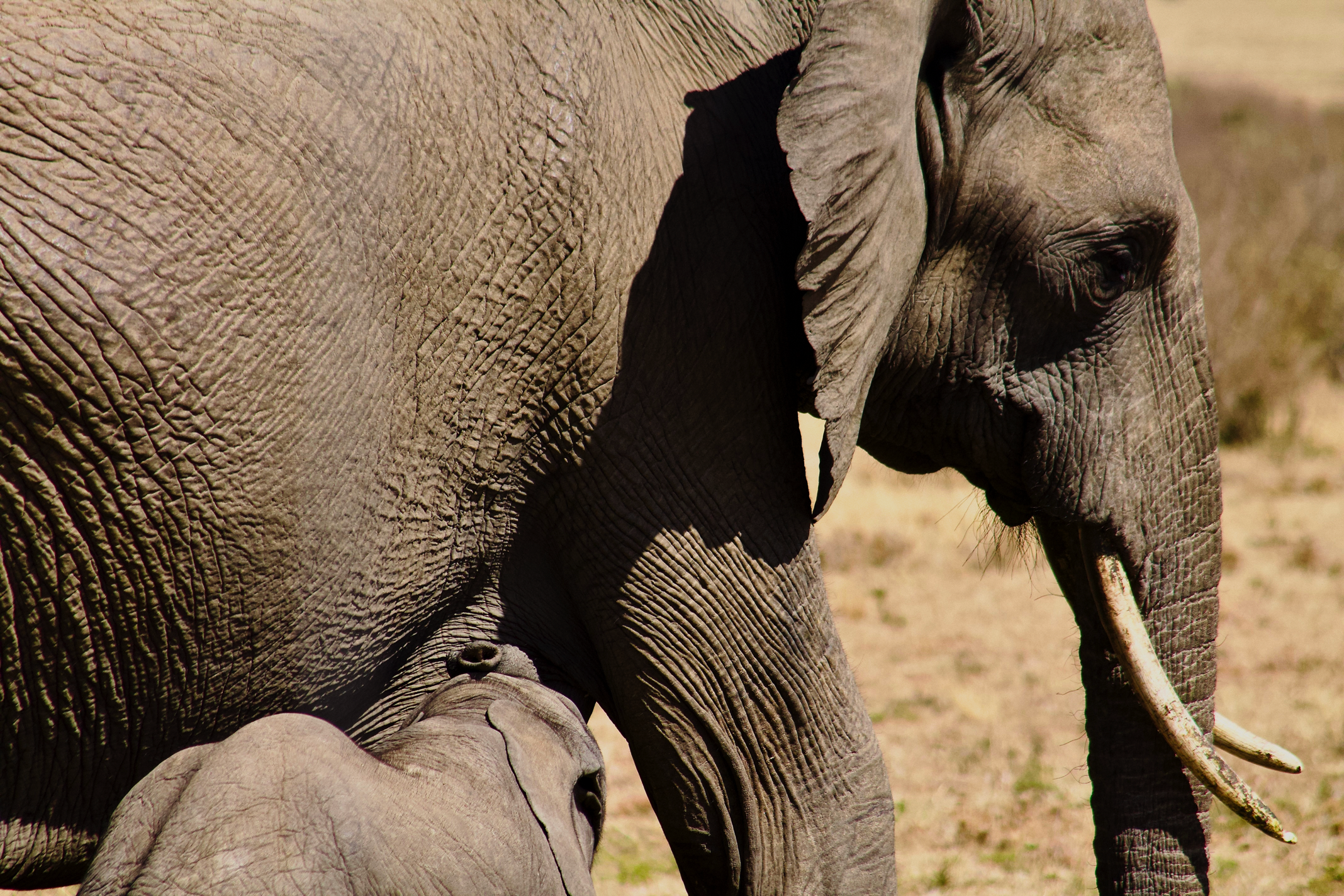
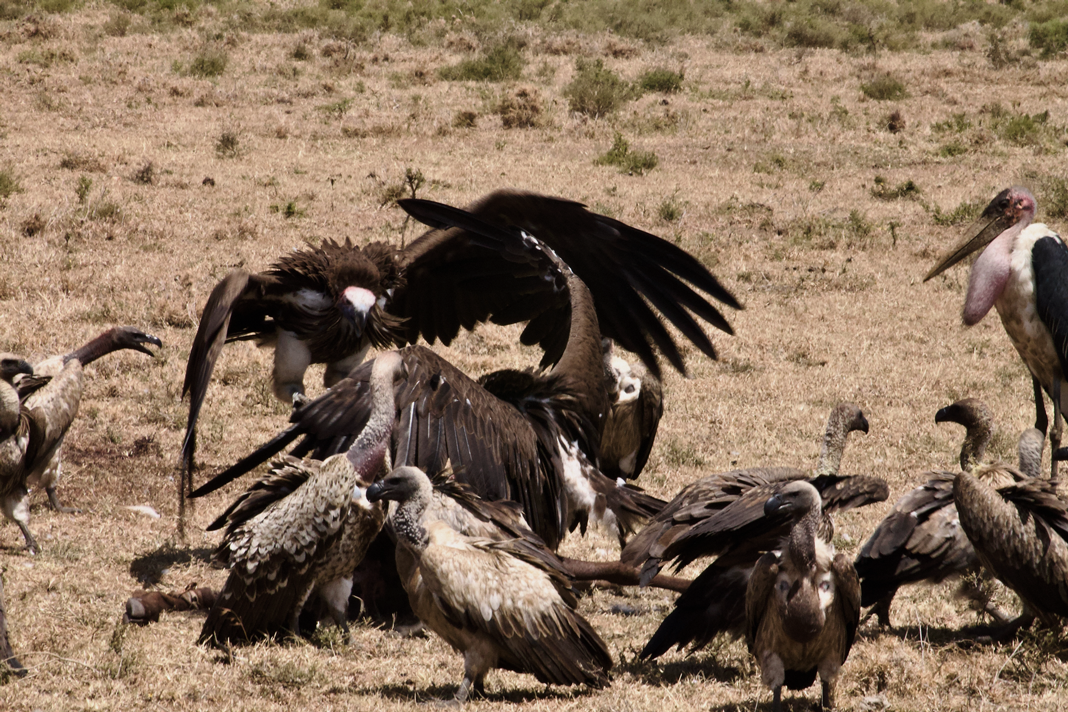
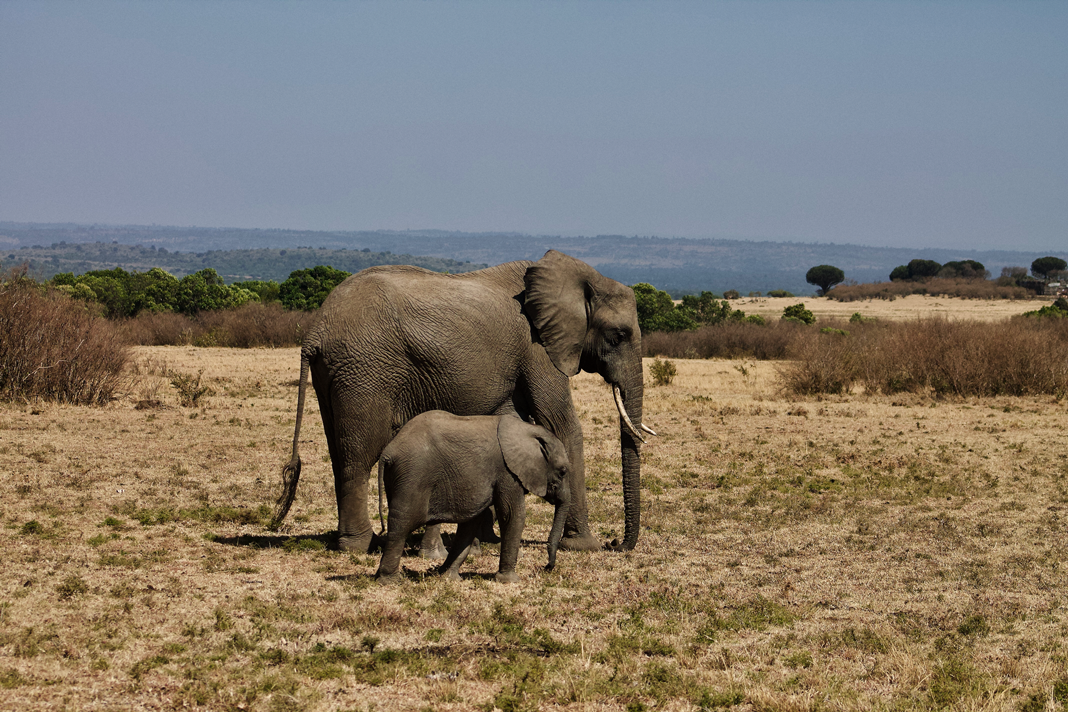
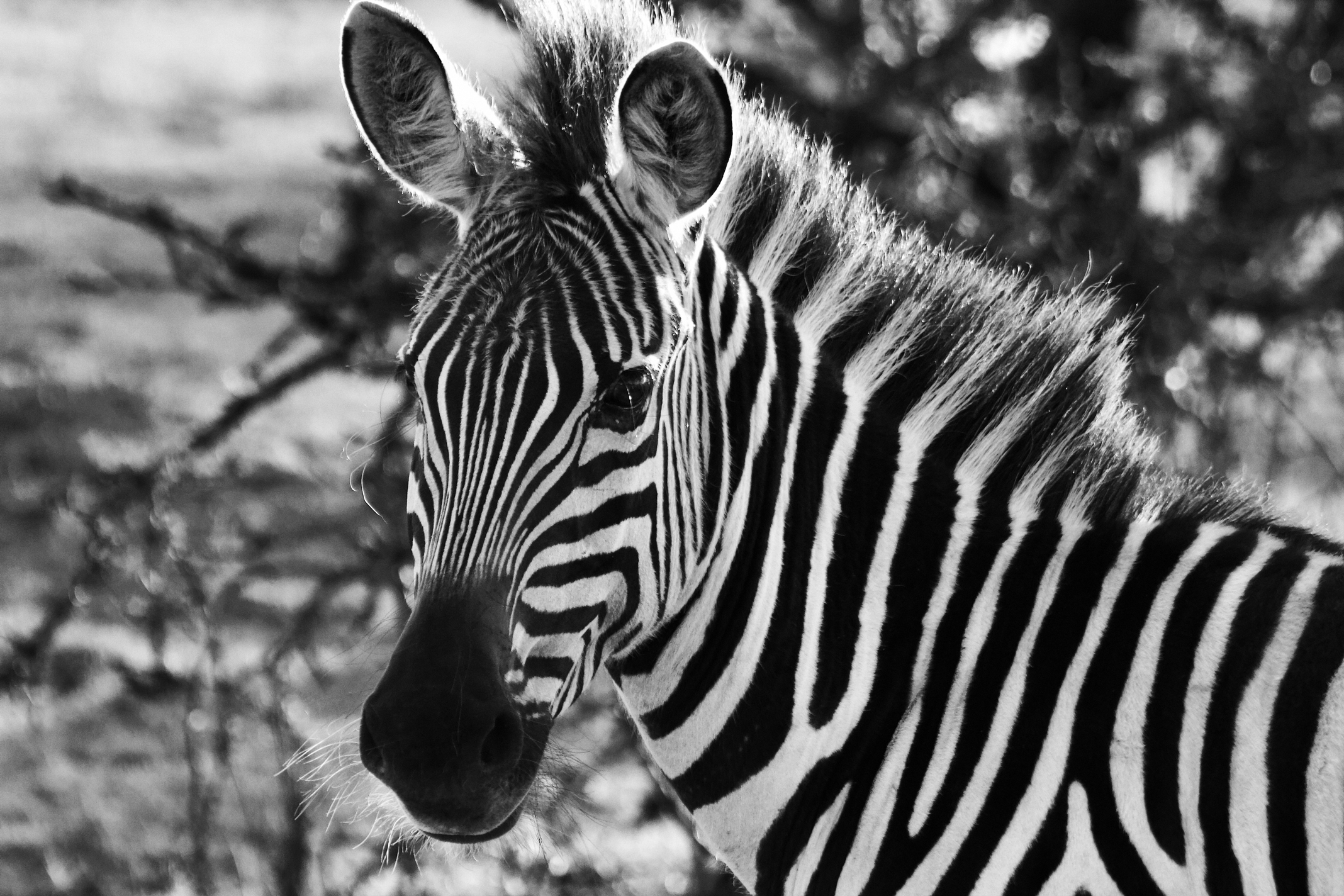
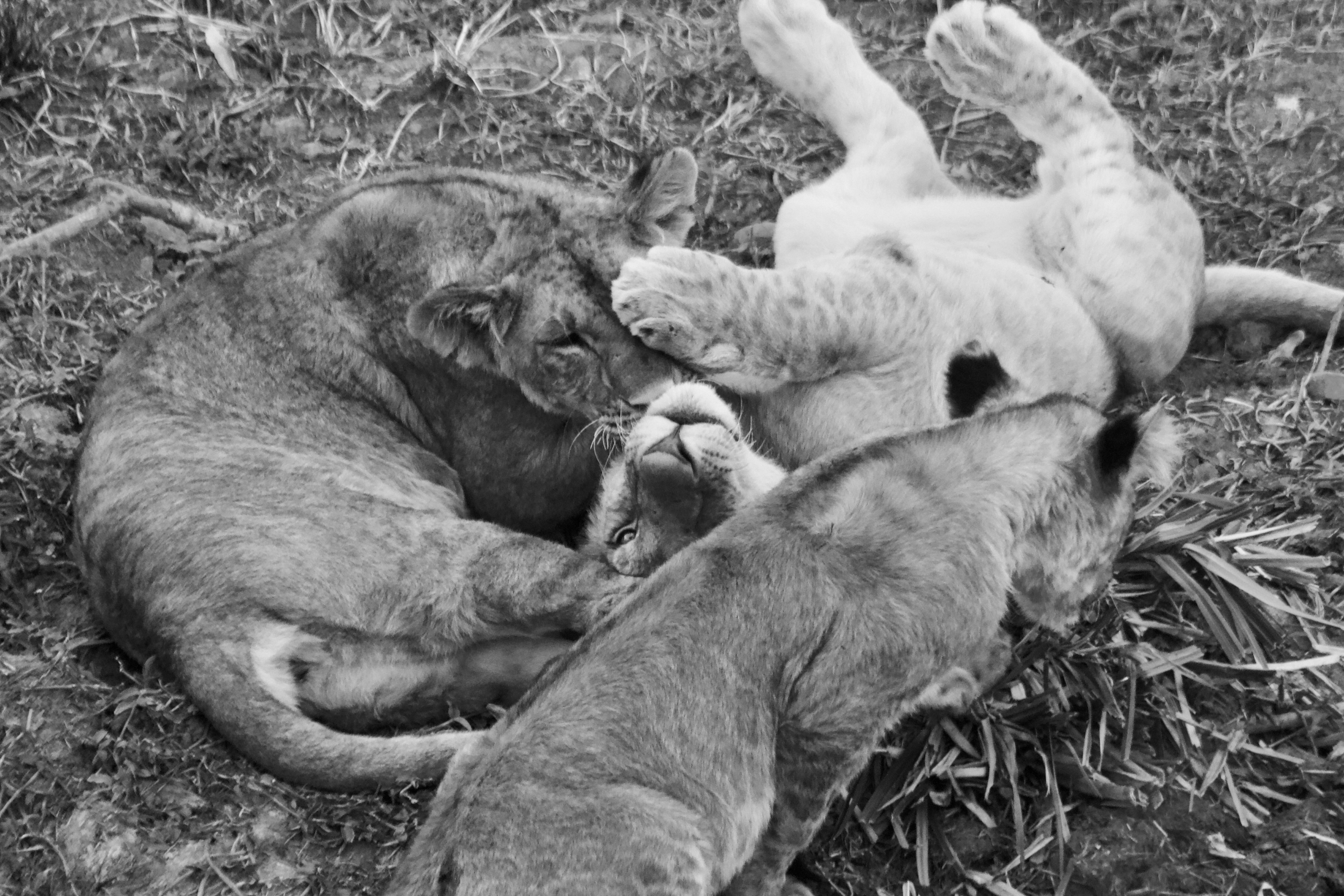
The Maasai Mara is shaped by centuries of movement: wildlife migrations, predator paths, and the enduring presence of the Maasai people. Often framed through the spectacle of the Big Five, the land resists simplification. Through the camera, I could only capture fragments. The photographs offer a glimpse of this world. I learned it through waiting and response, senses exposed, with no distance to soften the encounter.
by Anamaria Roa
The Mara wakes before language. Before intention. Before the body remembers it has arrived.
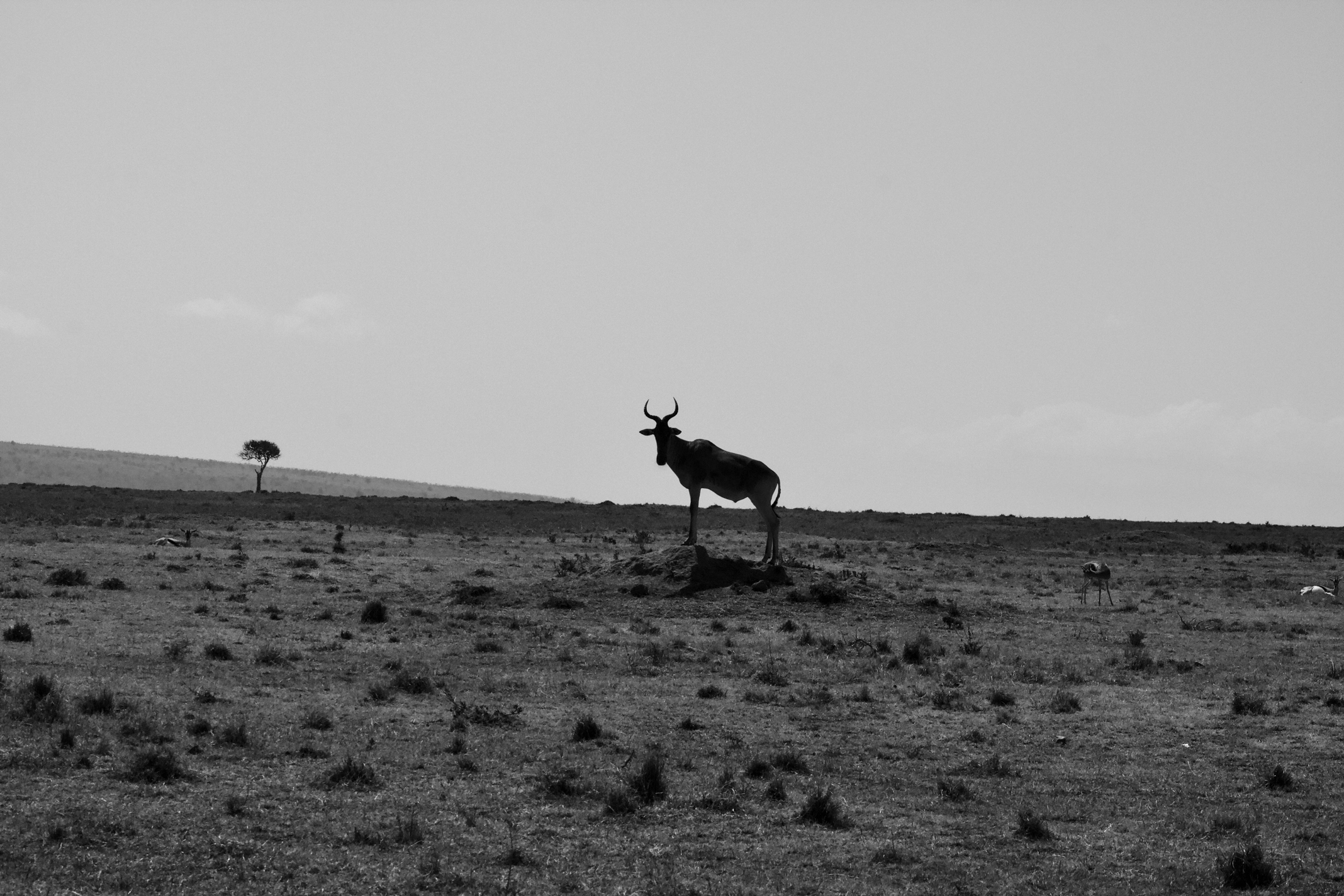
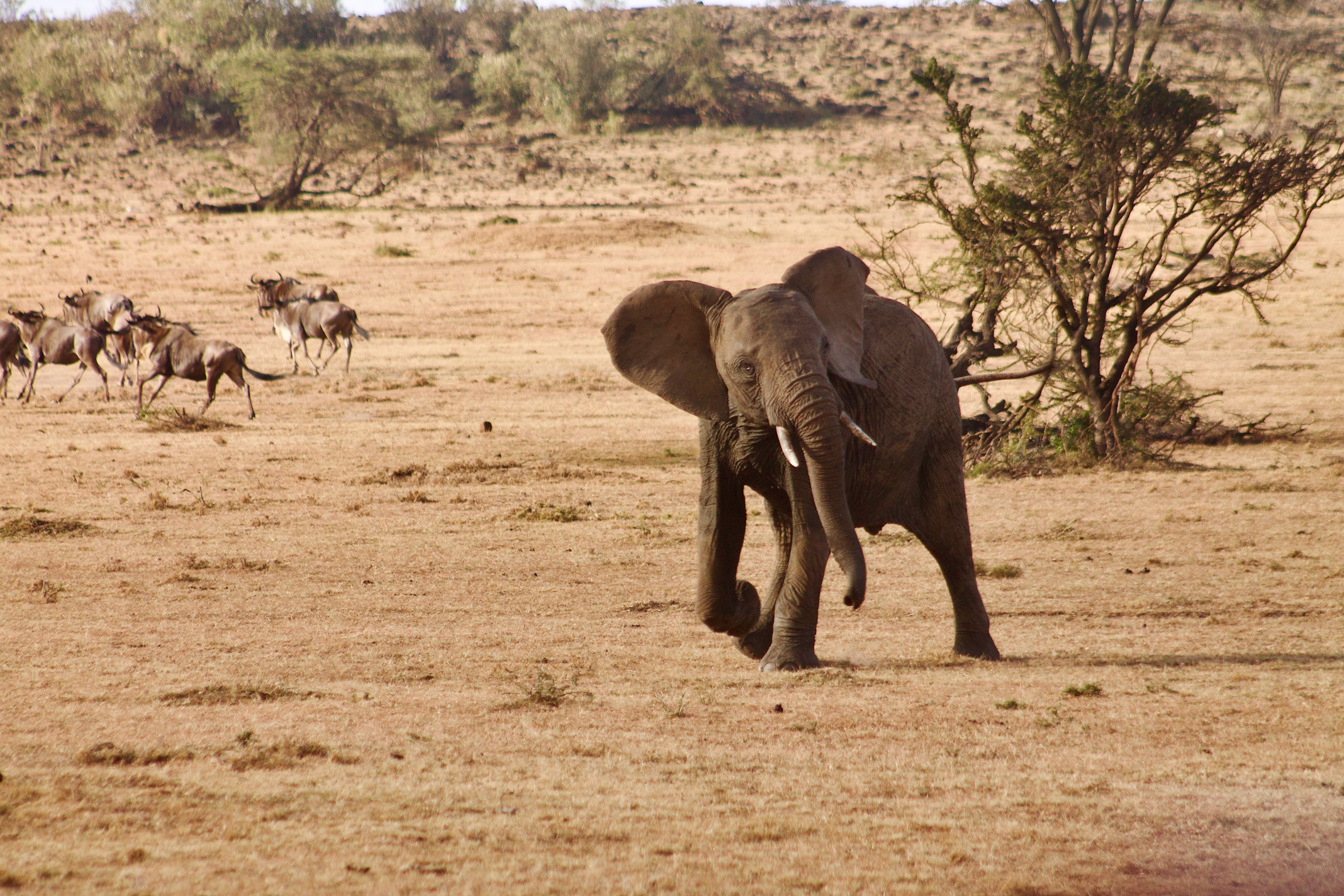
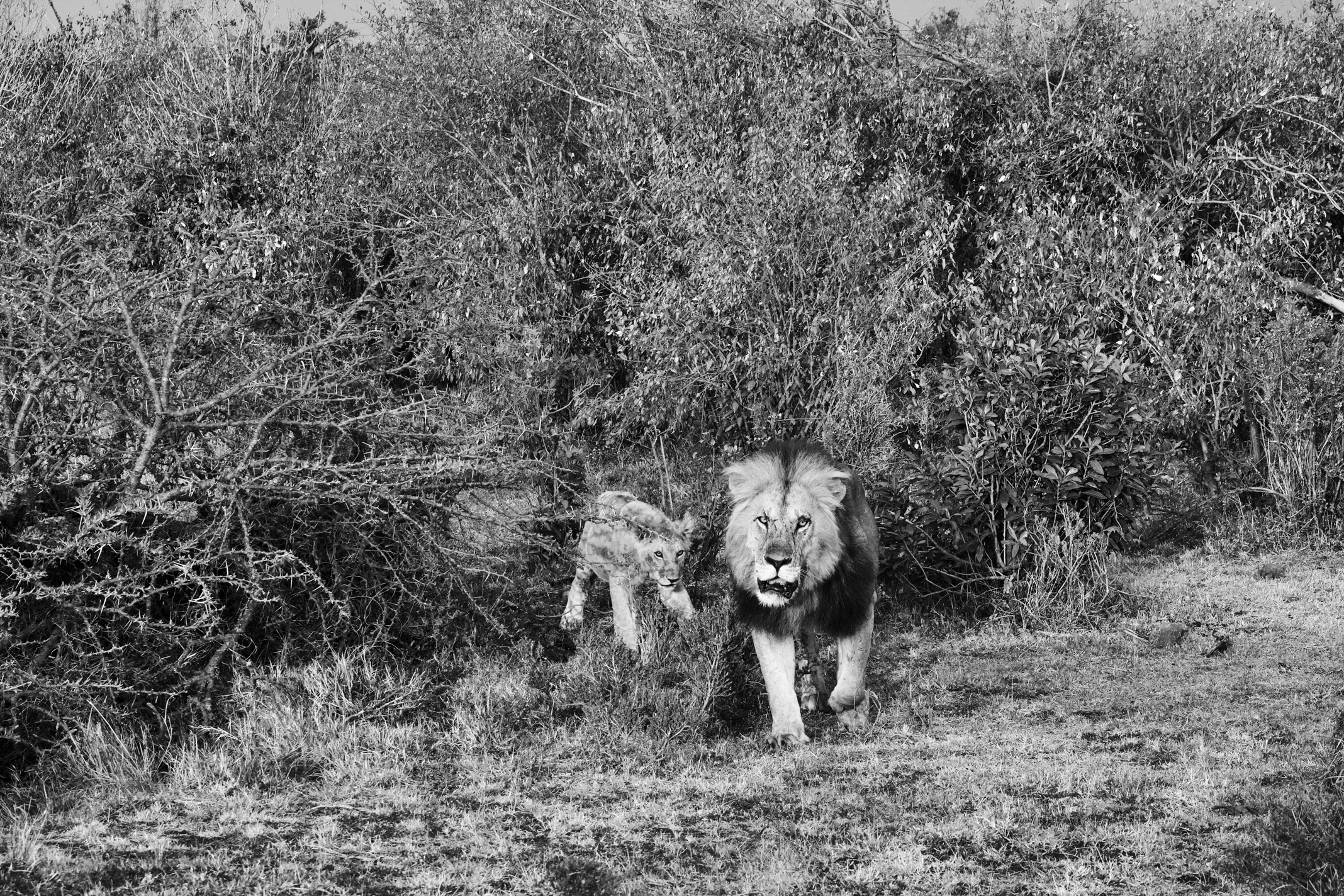
At dawn, animals emerge like sentences half spoken. Some distant, stitched into the horizon. Others so near their gaze settles on you, heavy with a patience older than fear.
I spent most of my time waiting. Sound traveled farther than sight, and movement rarely repeated itself. Nothing announced its return.
Here, waiting becomes a discipline. Stillness, a form of respect. I stood where I was placed and watched without interference, following what crossed my path and releasing what did not.
What appeared was brief. What passed continued on.
To bear witness is the miracle. To know it will pass is the lesson.
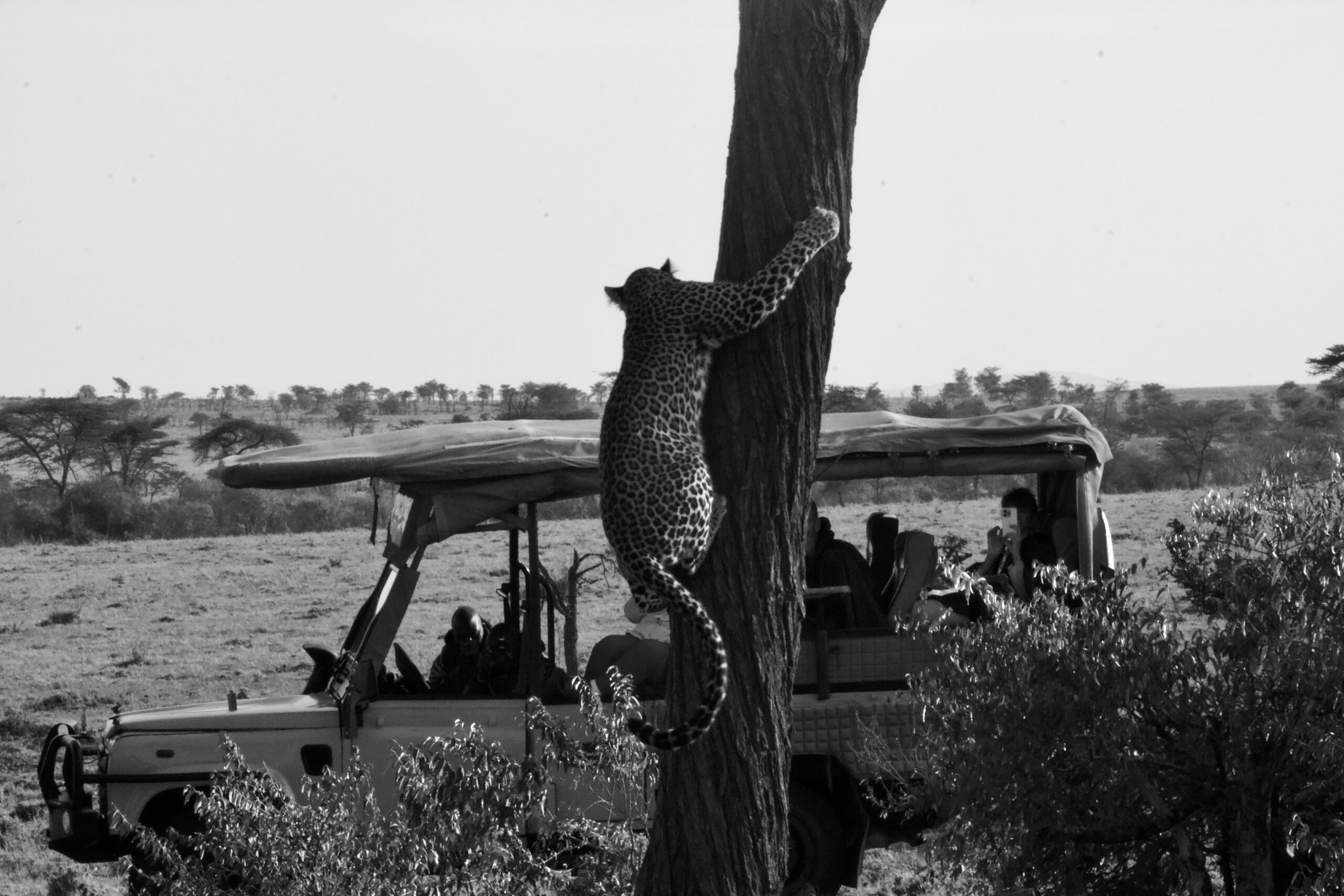
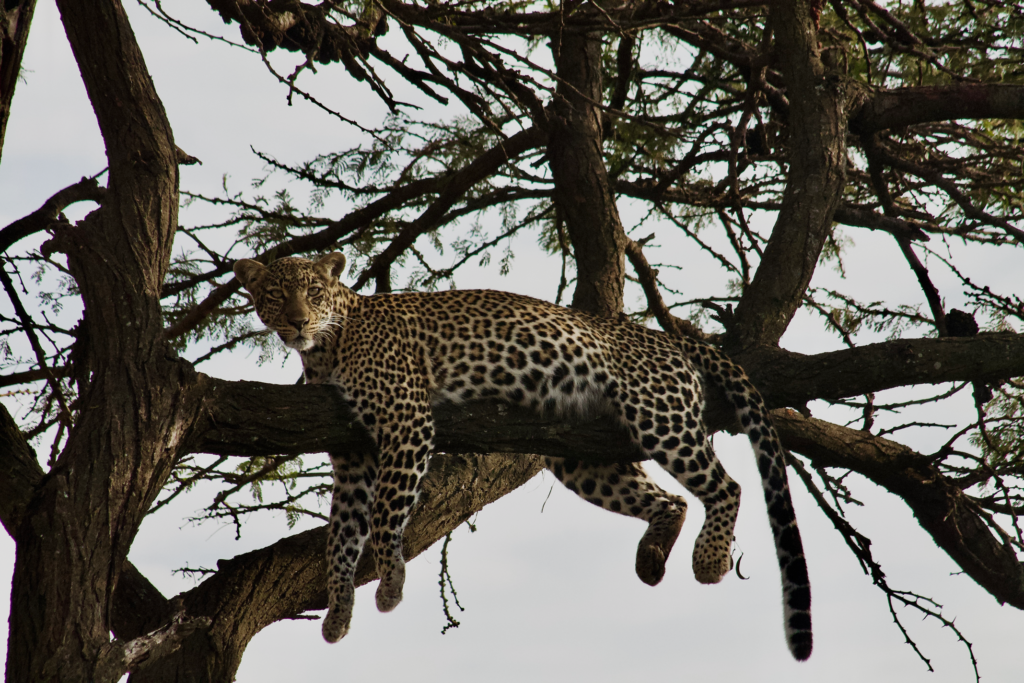
The leopard avoids the open. Its presence is rare. When he appeared, the gaze held.
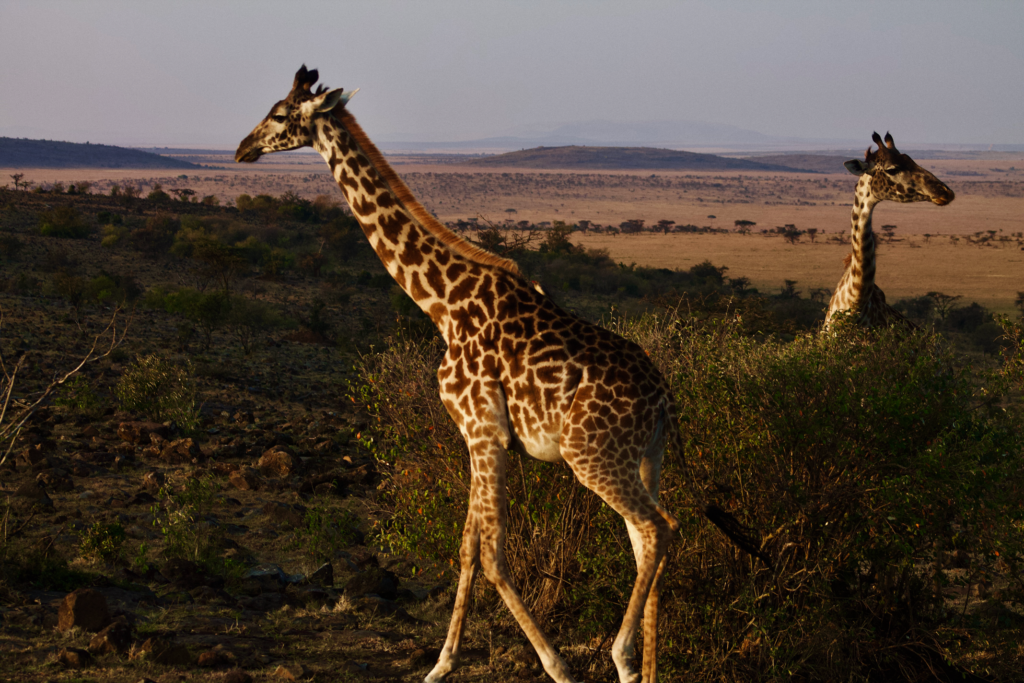
Dawn finds the giraffe replenishing, moving unhurried, the sun warming a body that has made it through the night.
Here, there is no good or evil, only protection, instinct, and the work of keeping life going.
A brief alignment before motion resumes.
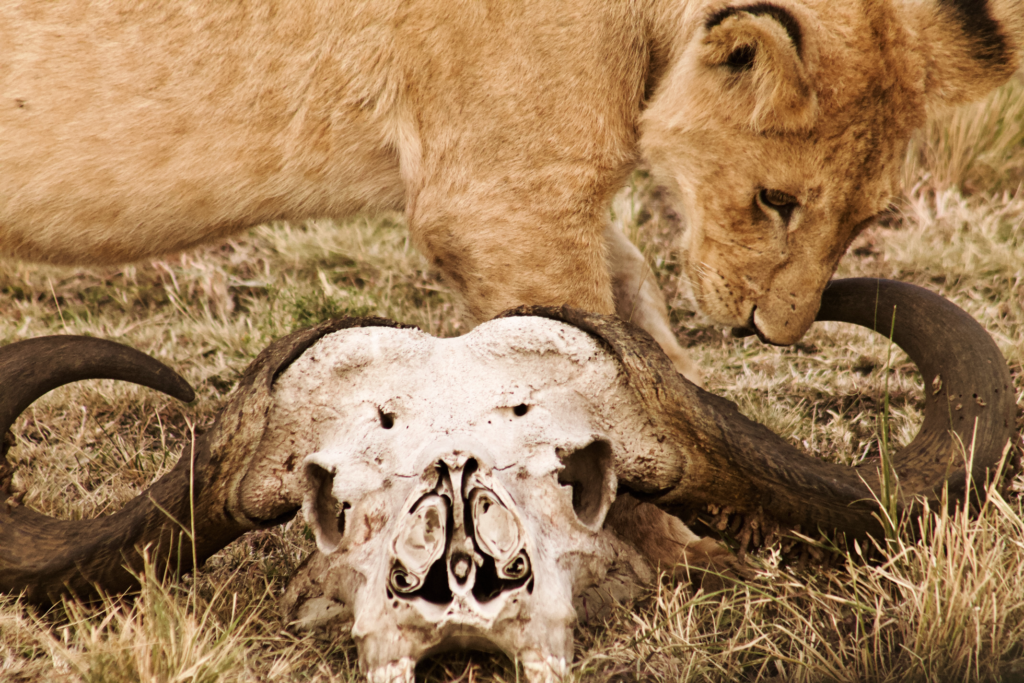
What has ended becomes instruction for what has just begun.
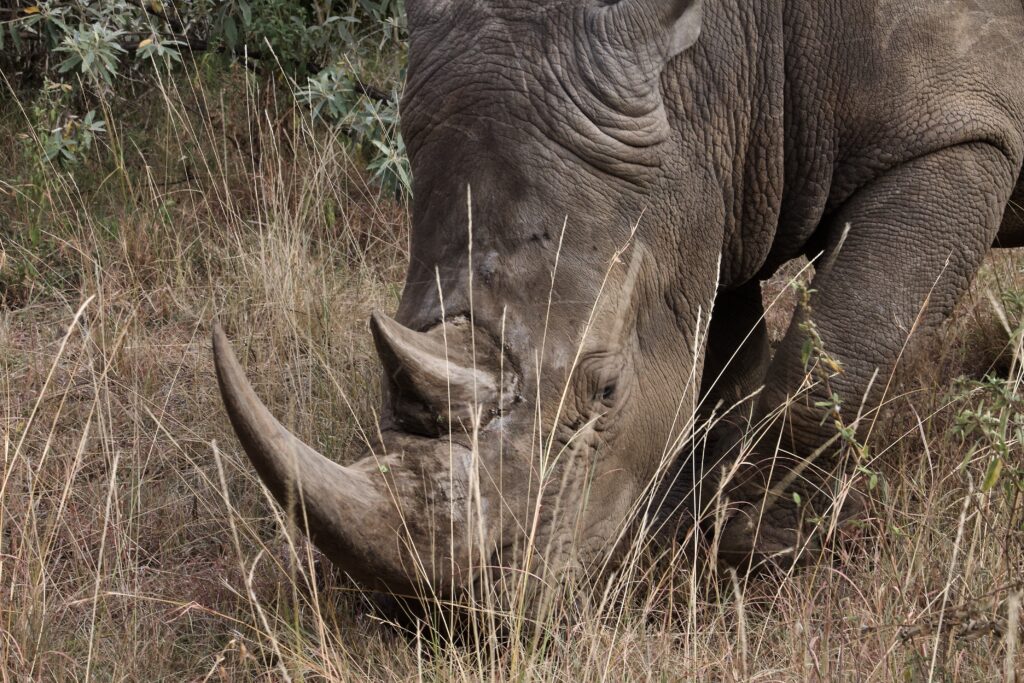
A pair of white rhinos, Kofi Annan and Queen Elizabeth move slowly through protected ground, alert to each other above all else.
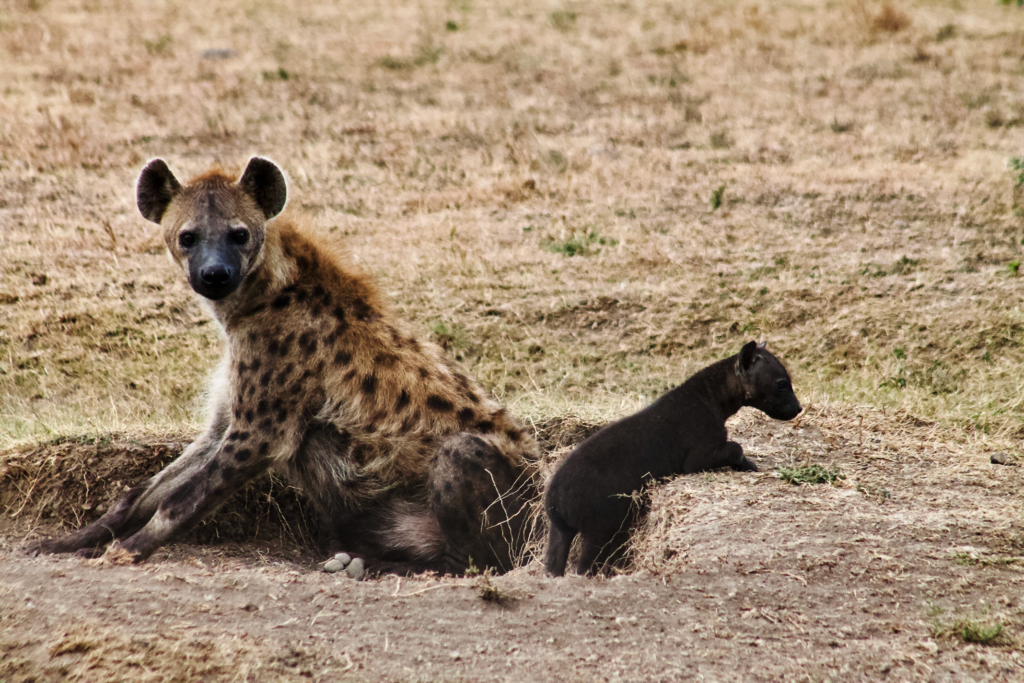
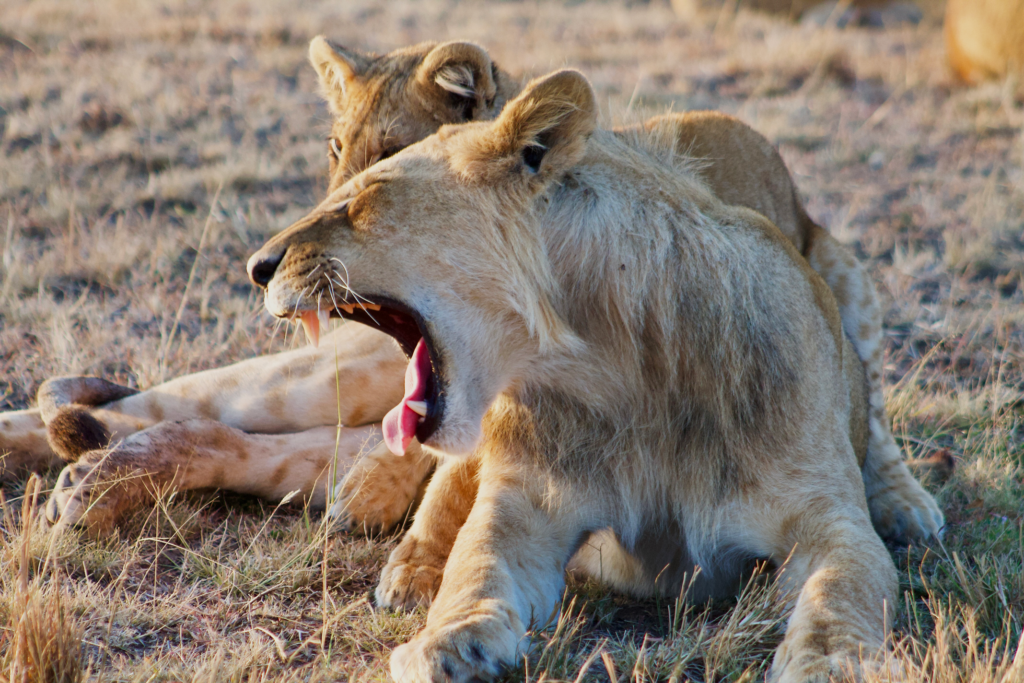
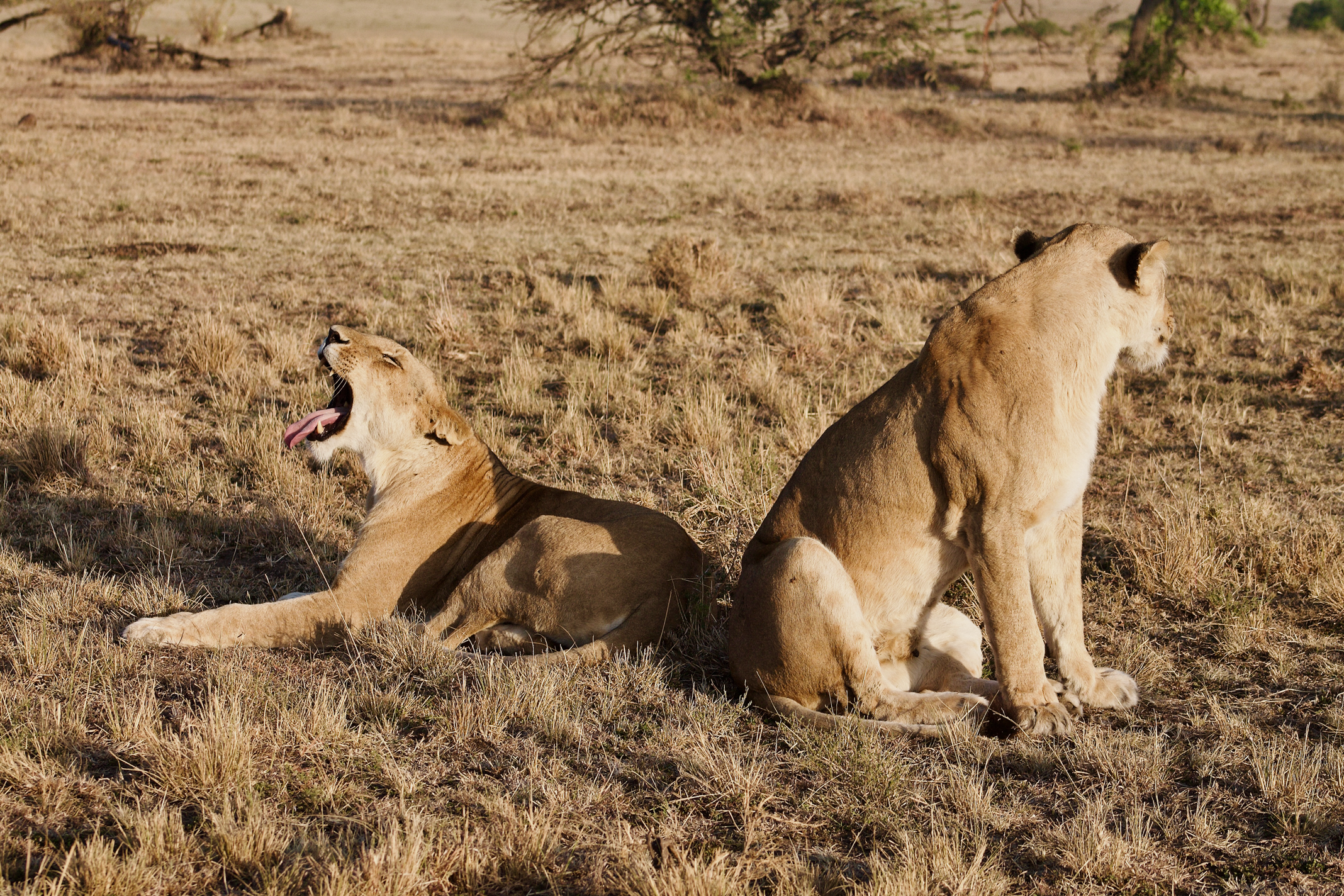
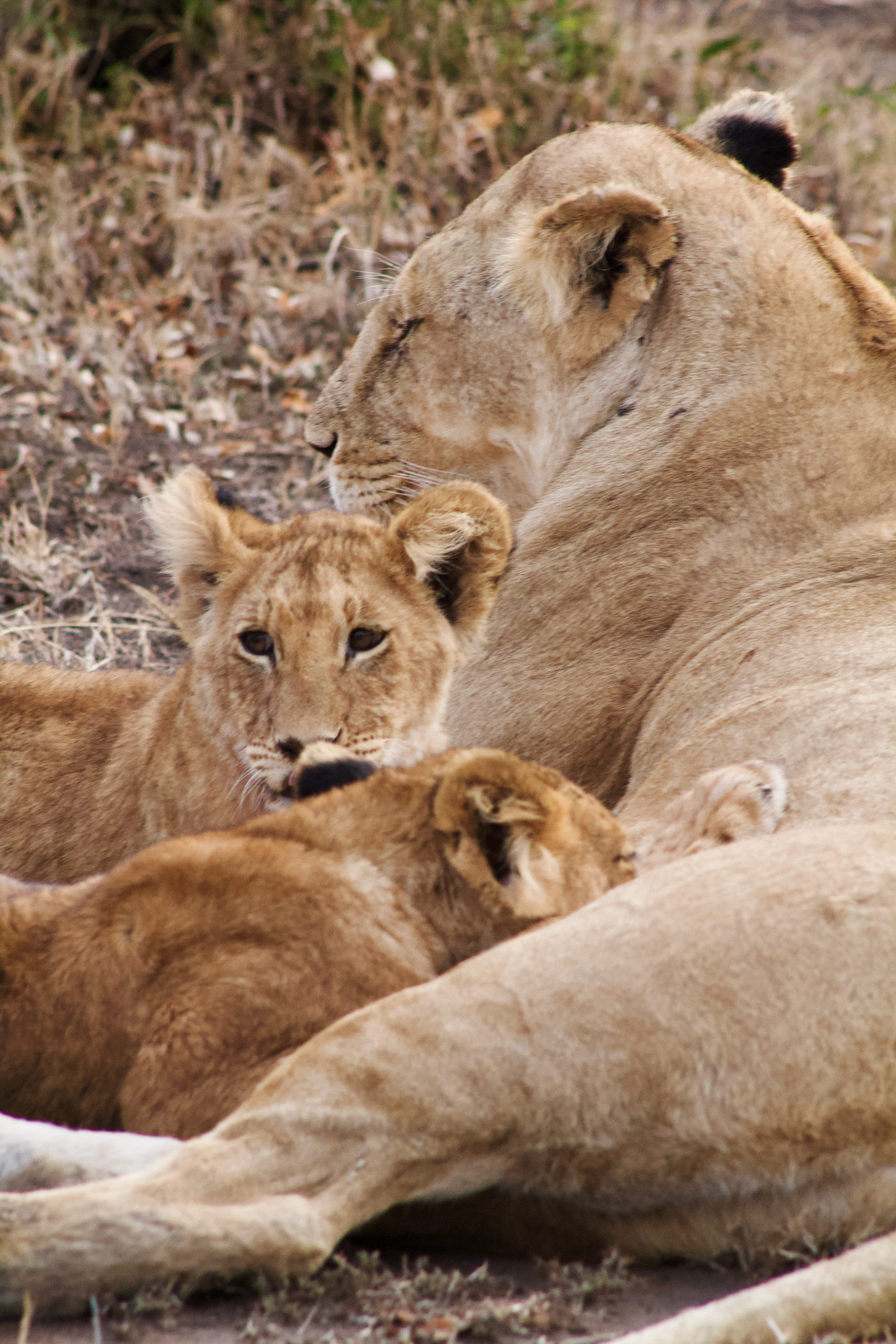
The hunt is over. The family is together. The body finally loosens.
Ut tellus eleme ntum sagittis vitae et leo. In ornare quam vivrra orci sagittis eu volutpat. Proin nibh nisl coim entum id venenati numis.