



From Çorum to the Super Bowl
The Super Bowl Halftime Show was a spectacle. The tailoring behind it was Turkish. What this moment signals about Türkiye’s evolving role in global fashion and national representation.
by Esra Ergin
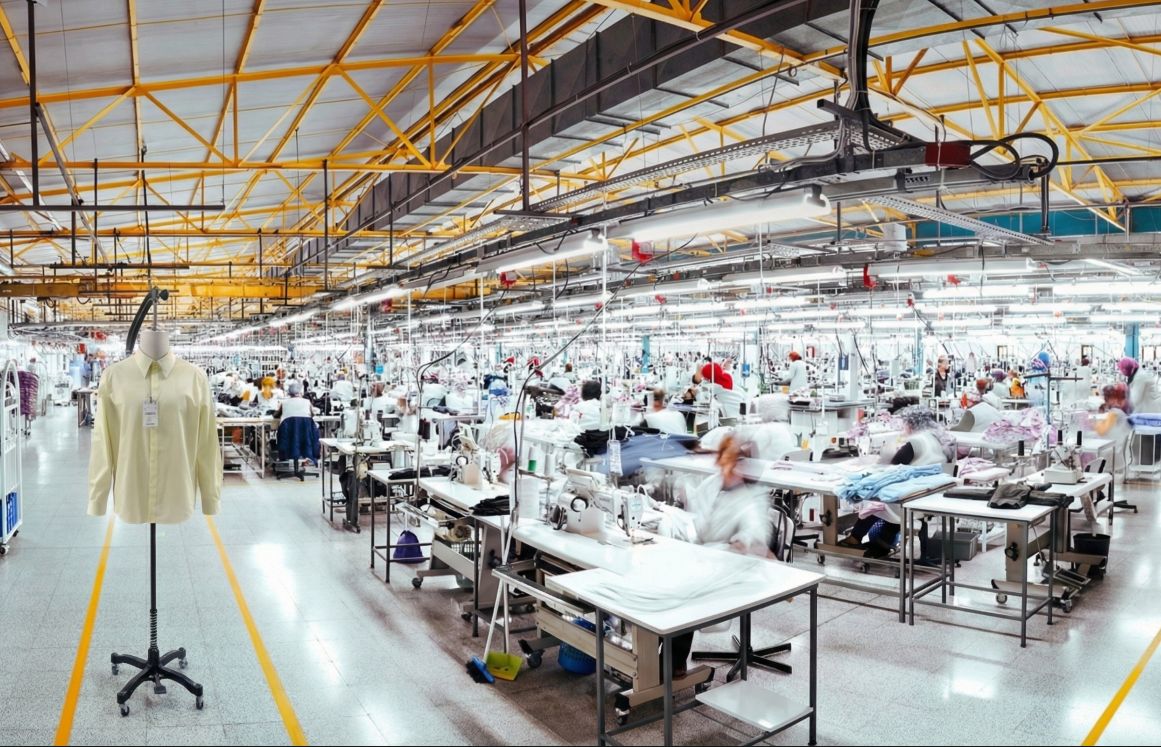
When Bad Bunny took the stage at the Super Bowl Halftime Show 2026, fashion played a defining role in the performance’s visual identity. As reported by Vogue, the artist wore custom ZARA looks, including crisp cream and blue button-down shirts manufactured by Bilsar in Çorum, Türkiye.
Defined by sharp structure and clean tailoring, the garments required high-quality textiles and precise production. Designed to withstand movement, lighting, and live performance, the shirts functioned not as costumes but as integral components of the show’s choreography, viewed by millions worldwide.

The collaboration underscores Türkiye’s often understated role within the global fashion and performance ecosystem. With a long-established textile industry and the capacity to deliver refined garments at scale, Turkish manufacturers continue to support some of the world’s most visible cultural moments.
A recent parallel can be seen in Mongolia’s Olympic team, whose uniforms attracted international attention for their strong visual identity. Designed and produced locally, the looks combined traditional references with contemporary tailoring, positioning Mongolia as both a cultural and athletic presence on the Milano Cortina 2026 Olympic stage.
A similar approach is well within reach for Türkiye. With its textile infrastructure, experienced manufacturers, and designers capable of working across fashion and performance, the Turks have the capacity to deliver Olympic uniforms that are technically rigorous and culturally distinctive.
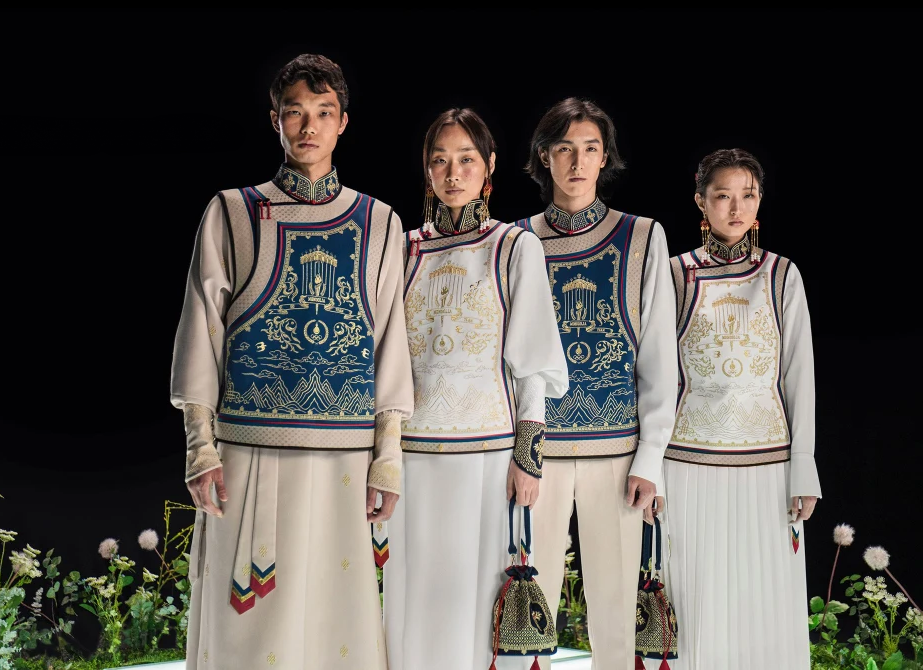
Long positioned as a manufacturing base for international luxury brands, Türkiye has the technical and creative capacity to translate production expertise into culture-forward design.
Mongolia’s recent Olympic uniforms offer a precedent for how apparel can operate as a tool of national representation, extending beyond sport into broader cultural visibility. Türkiye could very well become a reference point for how local production can be translated into a cohesive national visual presence. Why not at the 2028 Summer Olympics in Los Angeles?
