


A Life Built By Hand
Kita is a metalworker whose path has been shaped as much by patience as by steel. From years spent welding unseen machine parts in his father’s factory to building a studio in Okayama, his journey traces a shift from anonymous production to intentional making. Kita has turned fabrication into a form of reflection, where structure carries meaning and everyday objects are shaped to be touched, lived with, and understood through use.
Interview by Merve Eker. Written by Anamaria Roa.
Some stories begin with ambition. Others drift into being, unplanned and almost accidental. For Kita, it began with a pause. A welder standing before a machine part, noticing what most would pass over. An object designed to disappear inside a system, to serve a function without ever being touched again.
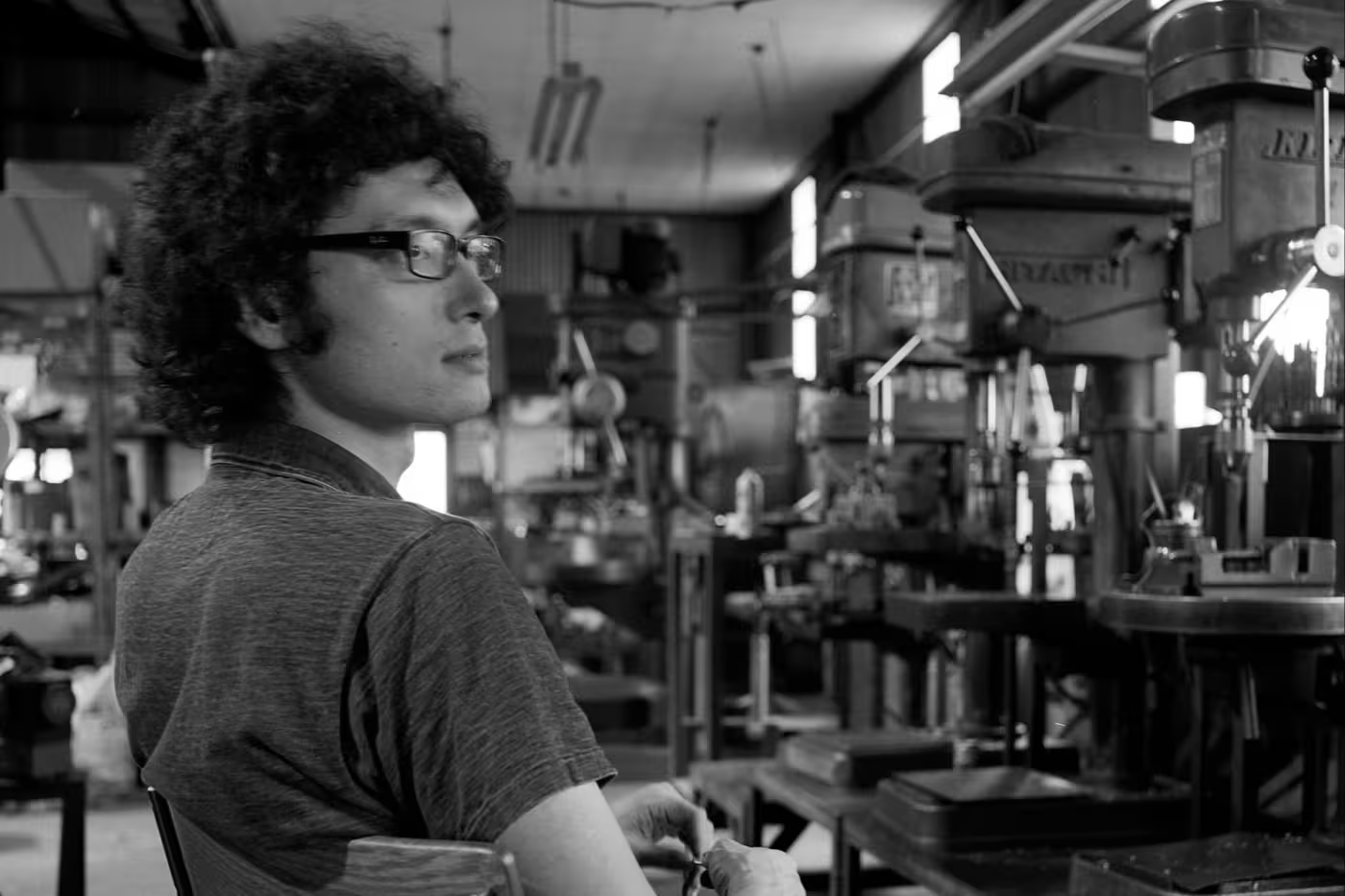
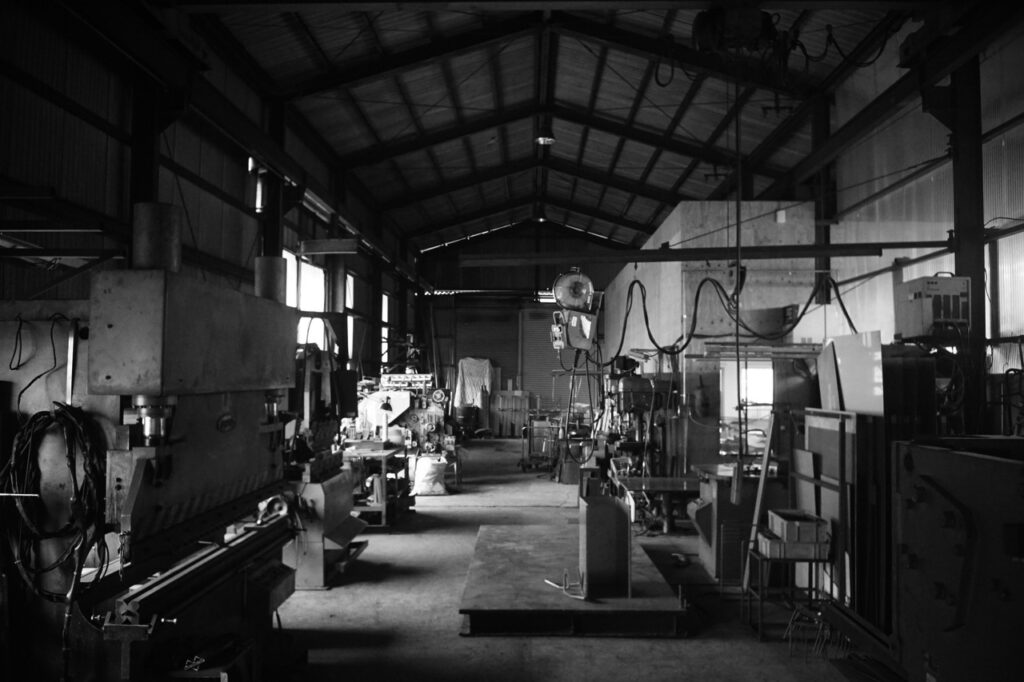
Before founding the studio in 2009, Kita spent nearly a decade working in his father’s iron factory. His days were precise and repetitive. He welded components destined for machines, pieces essential to function yet invisible in use. “I was making parts of machines,” he recalls. “But I wanted to make things people actually touch.” The desire was simple, but persistent. It marked a turning point, pulling him away from anonymous production toward a practice rooted in everyday life.
In that moment, welding suggested another life. Closer to the body. Closer to daily use. A tiny shift in attention that carried the seed of everything that followed.
Okayama is not where one expects a contemporary design studio to take shape. Far from Japan’s established creative circuits, the region is defined by long roads and busy factories. The stillness, however, sharpens focus. It asks for patience. Here, surrounded by trees and iron, Kita built a practice that treats fabrication as a way of thinking rather than a step toward production.
That shift came into focus over time. When he married, Kita purchased a small piece of land near the factory and began building his own home by hand. Out of necessity, he made the furniture himself. Tables, shelves, small structures shaped through trial and adjustment. Friends noticed. They asked for pieces of their own. Around the same time, the global recession slowed the factory’s work. The pause created space. What began as personal making started to gather form and intention. Kitaworks was shaped before it was named.
From Making to Meaning
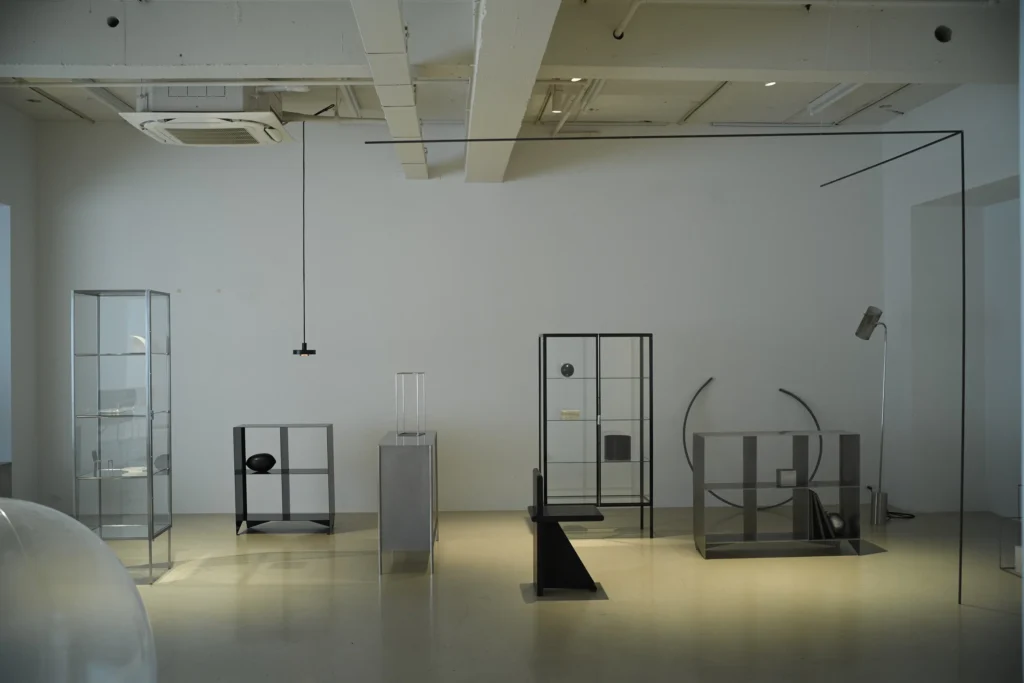
Kita’s approach to design remains inseparable from his background in metalwork. Ideas do not arrive fully formed on paper. They surface through contact with material. Through weight, resistance, heat. “When I design something, the image is already in my head,” he explains. “I sketch, then I make it. Then I adjust it and make it again.”
There is no distance between concept and execution. The workshop sits only a few steps away. A thought can become an object within hours. This immediacy allows form to evolve naturally, guided by what the material permits rather than what a drawing demands. “Design comes from the environment,” he says. “Because I can make and modify quickly, the shape finds itself.”
The process becomes circular. Imagine, shape, test, refine. The goal is not perfection, but balance. “Beauty appears when something has just enough strength to do its job,” Kita reflects. “It is not something you chase. It arrives when the structure feels right.”
Material as Language
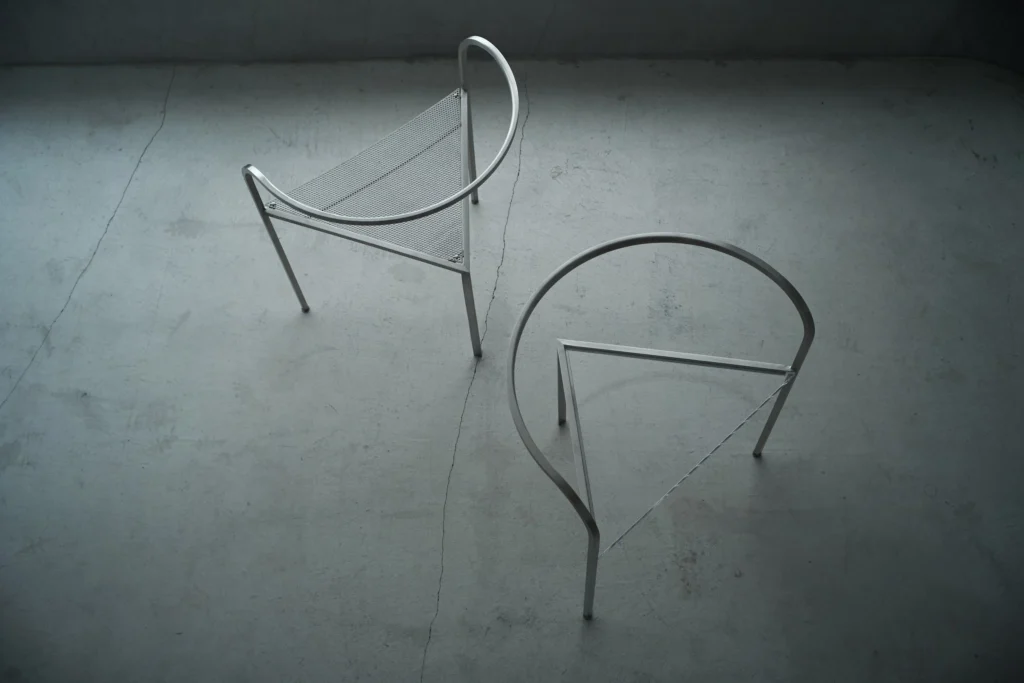
At Kitaworks, materials speak clearly. Steel, brass, and wood form the studio’s core vocabulary. They remain industrial in origin, yet appear restrained under Kita’s hand. The choice is guided by both strength and feeling. Wood and aluminum allow for volume. Steel introduces tension. Each decision responds to use rather than trend.
Nothing is hidden. Joints remain visible. Structures explain themselves. Restraint is intentional. Honesty is the point. Objects are not softened for comfort or masked for appeal. They ask to be understood through their construction.
This clarity gives the work its calm presence. Each piece holds a conversation between weight and proportion, tension and ease. The result feels resolved, not styled.
Looking Forward by Staying Grounded
More than fifteen years after its beginnings, Kitaworks remains firmly rooted in Okayama while reaching outward through dialogue. Growth is not measured by scale, but by understanding. Kita continues to explore the space where art and craft meet, where structure carries meaning and making becomes reflection.
The studio evolves through the same principles that shaped it from the beginning. Pay attention to what is essential. Let form remain honest. Allow beauty to arrive through structure rather than pursuit.
Kitaworks stands as a reminder that creation does not always begin with a plan. Sometimes it begins with a welder holding a machine part and imagining a life beyond the machine.