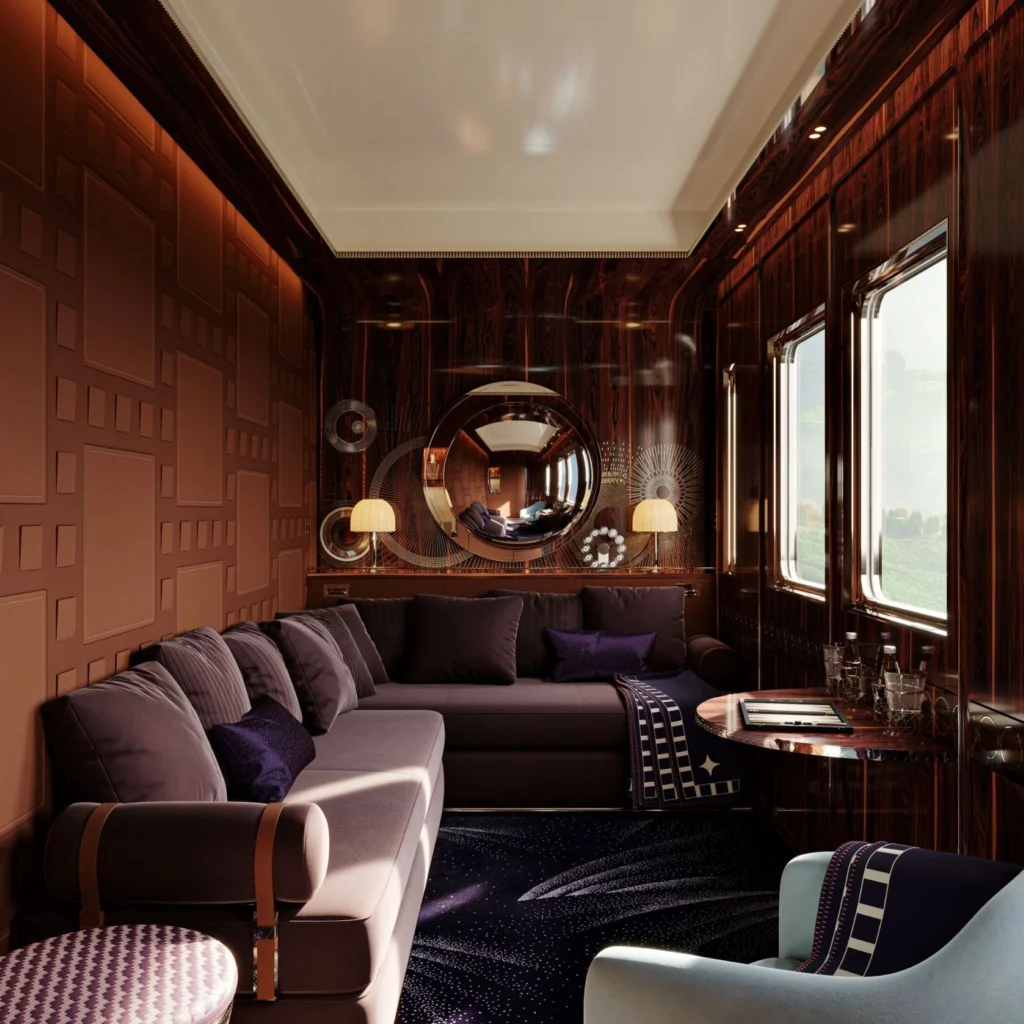



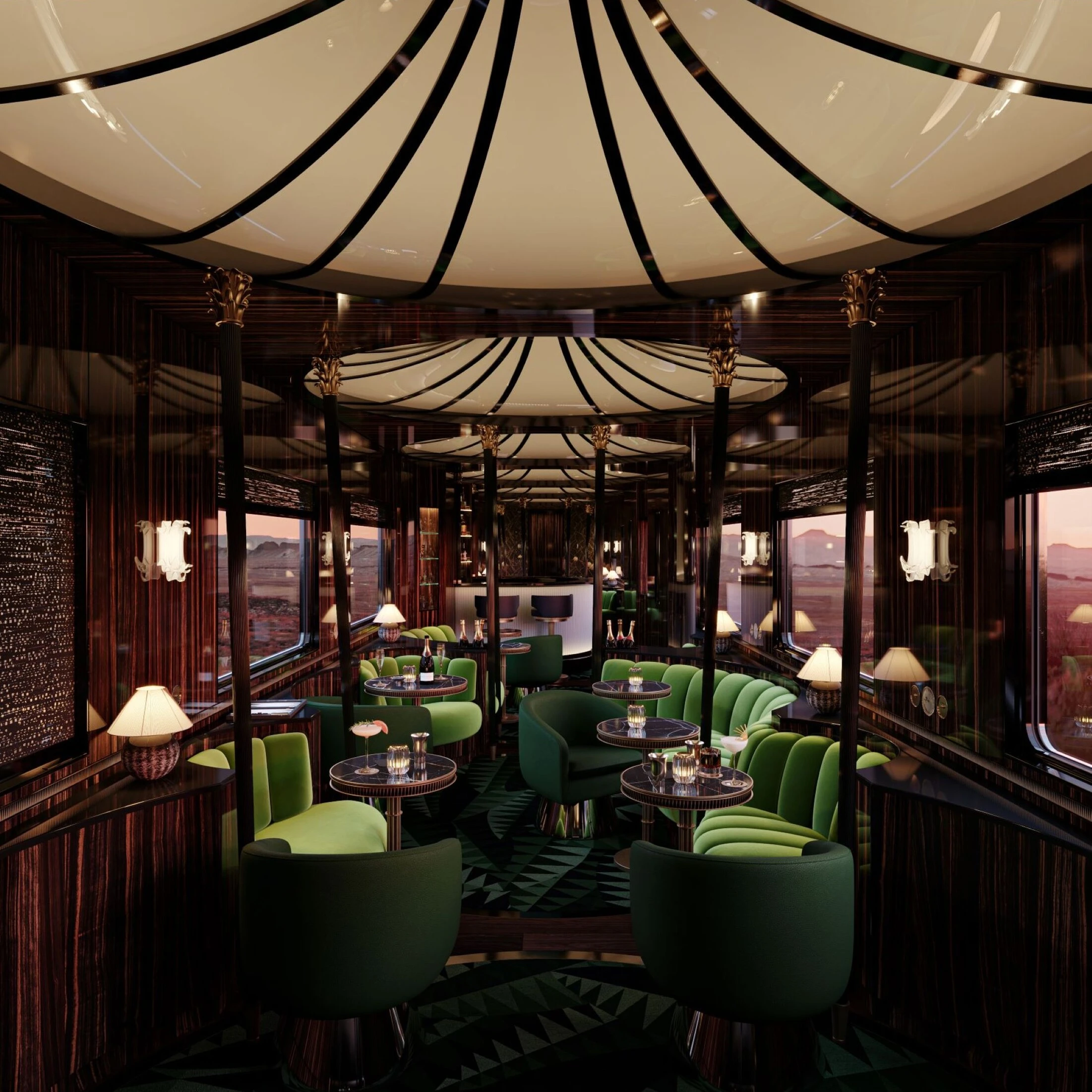
Inside the New Orient Express
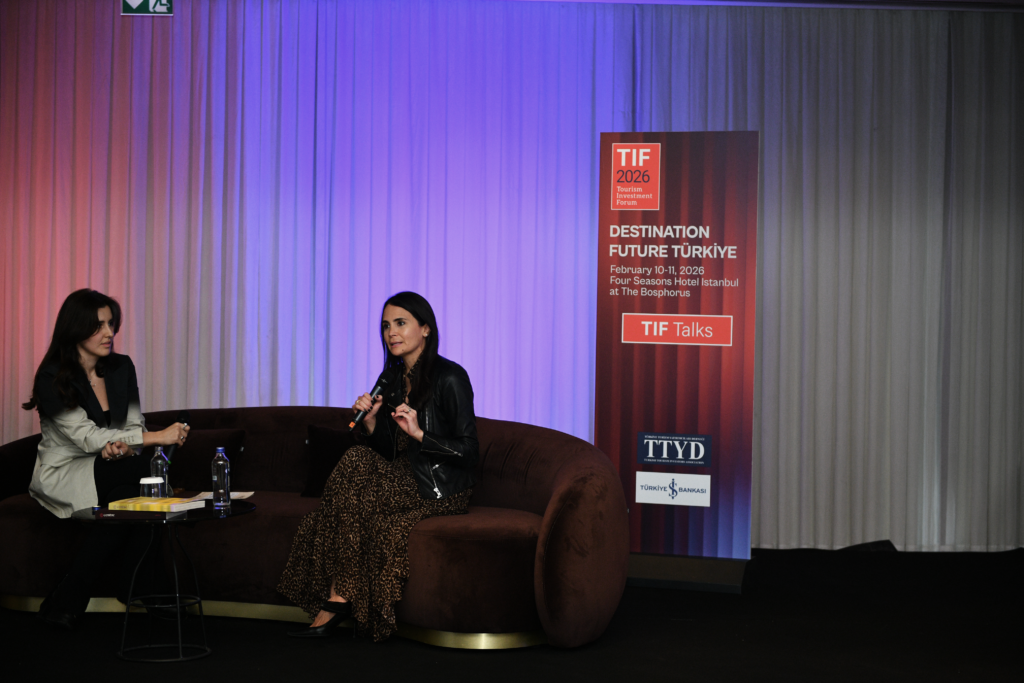
Gilda Perez Alvarado, CEO of Orient Express, in conversation with Lina Temelli, Creative Director of Centre Magazine and Marketing Director of Martı Hotels & Marinas
At the Tourism Investment Forum 2026 (TIF) in Istanbul, Centre Magazine participated as a content partner, curating a series of public conversations on how hospitality is being reshaped through experience, design, and long-term value.
by İzlem Arsiya
On stage, Gilda Perez Alvarado spoke about Orient Express less as a hospitality brand and more as a way of traveling.
The project, she explained, is one of the most strategic investments within Accor. The company is not simply reopening a famous train but rebuilding an entire ecosystem of movement made up of trains, hotels, and sailing yachts.
“Orient Express is not a hotel brand. It’s a journey brand.”
The original train connected Paris to Constantinople in 1883. That idea still defines the brand today. Rather than separate stays, the goal is a continuous experience. A guest might begin in Rome, continue to Venice by train, sail along the Mediterranean, return to Paris, and eventually arrive in Istanbul. The trip becomes one narrative rather than a series of bookings.
She linked this to a broader shift in luxury. Goods are declining in importance while experiential travel continues to grow. What people want to collect now is memory.
“The antithesis of luxury is commodity.”
For this reason, Orient Express is designed around encounters. Historically, the train functioned as a social space where diplomats, merchants, and artists met. The modern version preserves this layer. The train, the yacht, and the hotels act as settings. The guest becomes the central character. Even repeating the same itinerary twice should result in a different stay because the people surrounding you will change.
Heritage is important, but not as nostalgia. The company works with historians, restores original carriages, and collaborates with artisans across Europe. The purpose is emotional continuity rather than historical display.
“A brand isn’t a color palette. A brand is a promise.”
Istanbul holds a particular place in that promise. The destination was the original reason the train existed, the point where Europe met another world. When the journey reaches this city, she said, the story becomes complete.
“People won’t remember every detail. They remember how you made them feel. That is the brand.”
…
After the Talk
To Be Seen
After the panel, the conversation moved away from strategy and toward the mechanics of hospitality.
For Perez Alvarado, it begins with recognition. Luxury is not design first, but attention. “It’s making sure you are seen. You matter. You are not guest number whatever,” she said. Even a greeting can define the experience, and forgetting a returning guest breaks it. “If you’ve stayed five times and I ask if it’s your first visit, that’s careless.”
Technology can support service, but not replace presence. “We can have every profile about you online, but if I greet you without emotion, it means nothing. We are a people business.”
Before You Even Arrive
The experience starts prior to arrival through a pre-departure call meant to understand intention rather than logistics. Some guests want to socialize, others want privacy. “We try to understand why you are traveling. Do you want to meet people, celebrate, rest, or be left alone?”
Because the train and yacht are contained environments, staff often act as hosts, gently introducing guests to one another. She described moments where guests are gently introduced to one another, similar to a dinner gathering, and how many relationships begin that way. “It’s almost like hosting a party. You might say, have you met each other?” At the same time, the team adjusts for those who prefer solitude. The task, she explained, is reading people rather than imposing a fixed program.
The Person You Remember
Recruitment becomes central to the project. Guest feedback rarely focuses on architecture first. Instead, it centers on individuals. “Guests say Dora did this, or someone went above and beyond. It’s always a person.”
The environment can be designed and restored with great care, but service ultimately defines memory. The success of the experience depends on staff who are attentive, present, and able to anticipate needs before they are spoken.
The Smell of a Place
Some elements of the experience are almost invisible. One of them is scent.
Perez Alvarado explained that Orient Express works with a professional perfumer, a “nose,” to shape atmosphere much like architecture shapes space. Rather than one signature fragrance, each stop in the journey receives its own identity.
“Each place has its own smell,” she said. “Rome has citrus and cypress. The train is different. Venice will be different again.”
The scent shifts with the journey. The hotel reflects the city around it, while the train remains more neutral as it moves through multiple destinations, and transitional spaces blend the two. The goal is not to be noticed directly but to settle into memory.
“That is one of the details people don’t see, but it stays with you.”
What You Take Back With You
When asked what tourism should prioritize today, her answer was concise.
“Quality over quantity.” She added that travel should create a connection, whether to others, to a place, or to oneself.
Ultimately, she framed hospitality simply. “At the end of the day, life is a collection of memories. Our job is to help create one.”