



The Architecture of Belonging
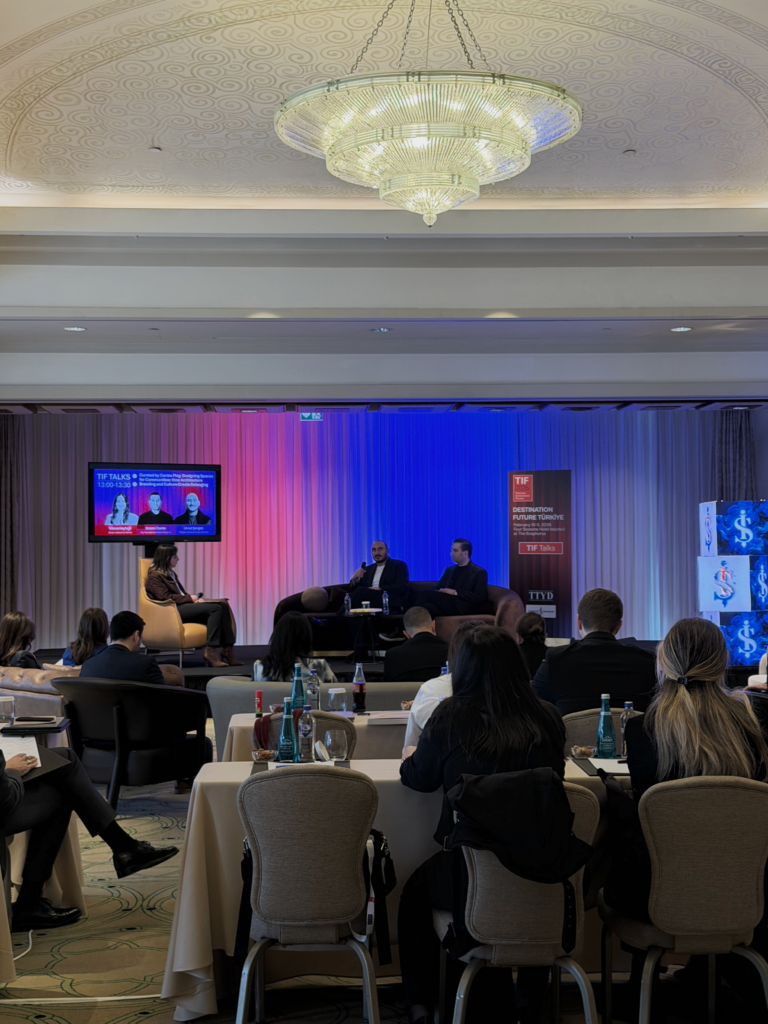
Kerem Özerler, Co-Founder and Interior Architect at Wangan Studio, and Umut Şengün, Partner and Brand Studio Director, spoke with Merve Heyfegil İlker, Partner and Senior Advisor at Servotel, at TIF Talks.
At the Tourism Investment Forum (TIF) in Istanbul, Centre Magazine participated as a content partner, curating a series of public conversations on how hospitality is being reshaped through experience, design, and long-term value.
by İzlem Arsiya
Wangan Studio’s conversation began with a question increasingly central to hospitality and urban life: how does a designed space turn into a place people actually belong to?
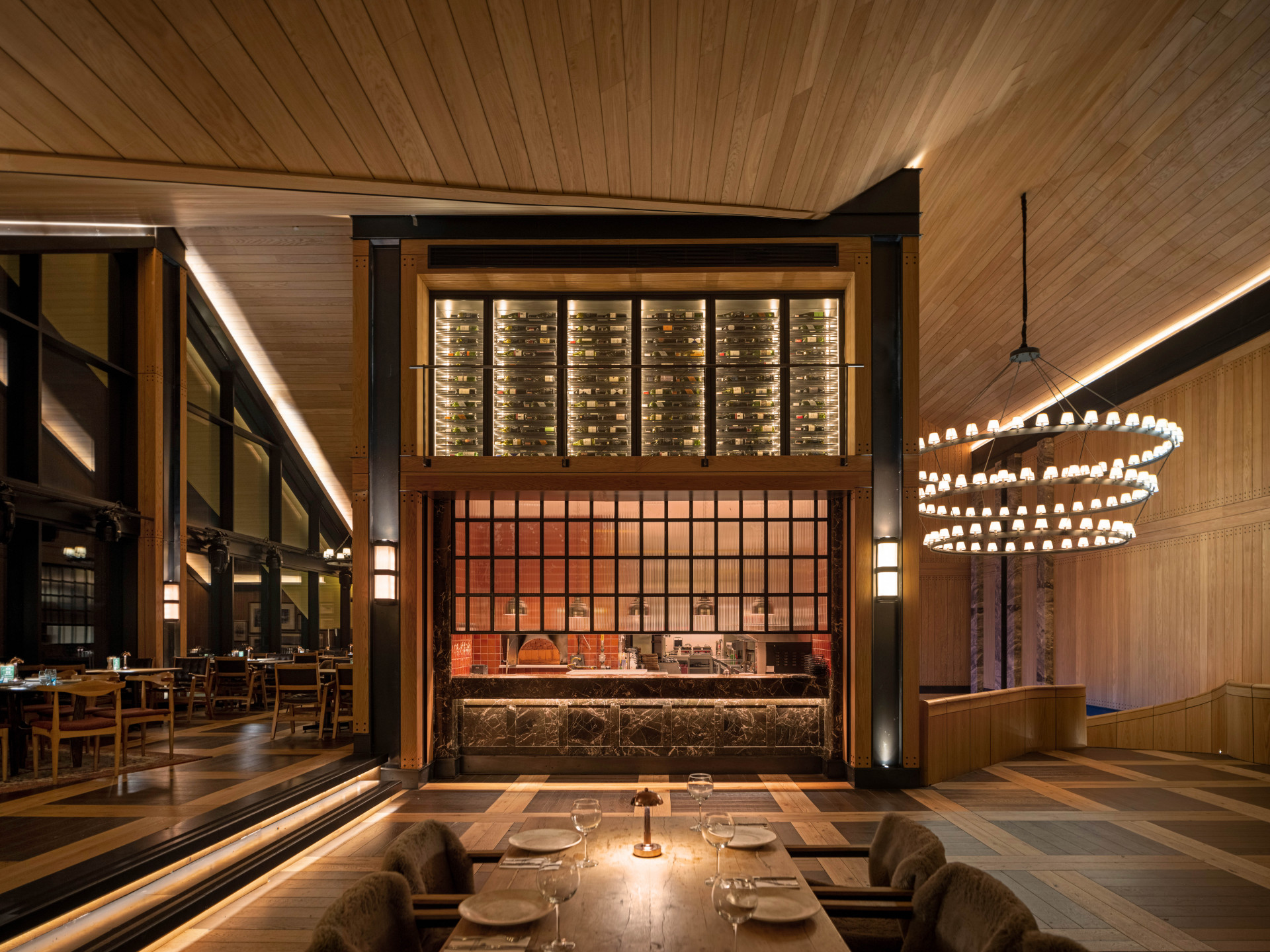
Founded in 2017, Wangan Studio positioned itself early on as more than an architecture office. Özerler explained that the studio was built as a multidisciplinary practice combining architecture, interiors, product design, and visual identity. Rather than separating these elements, they are treated as parts of a single system. From spatial layout to tableware and uniforms, every touchpoint contributes to how a place is experienced.
Over time, this approach expanded into brand strategy. Şengün described how the studio now works alongside clients from the earliest stages of a project, developing identity while the architecture is still being designed. The aim is not to create a short-lived hospitality concept but a long-term brand capable of sustaining a loyal audience.
For the studio, hospitality begins with the city. When designing restaurants or hotel spaces, they consider how the project will function for local residents as much as for visitors. A successful place is not one used only by hotel guests but one adopted by people who live nearby, meeting for coffee in the morning or returning regularly.
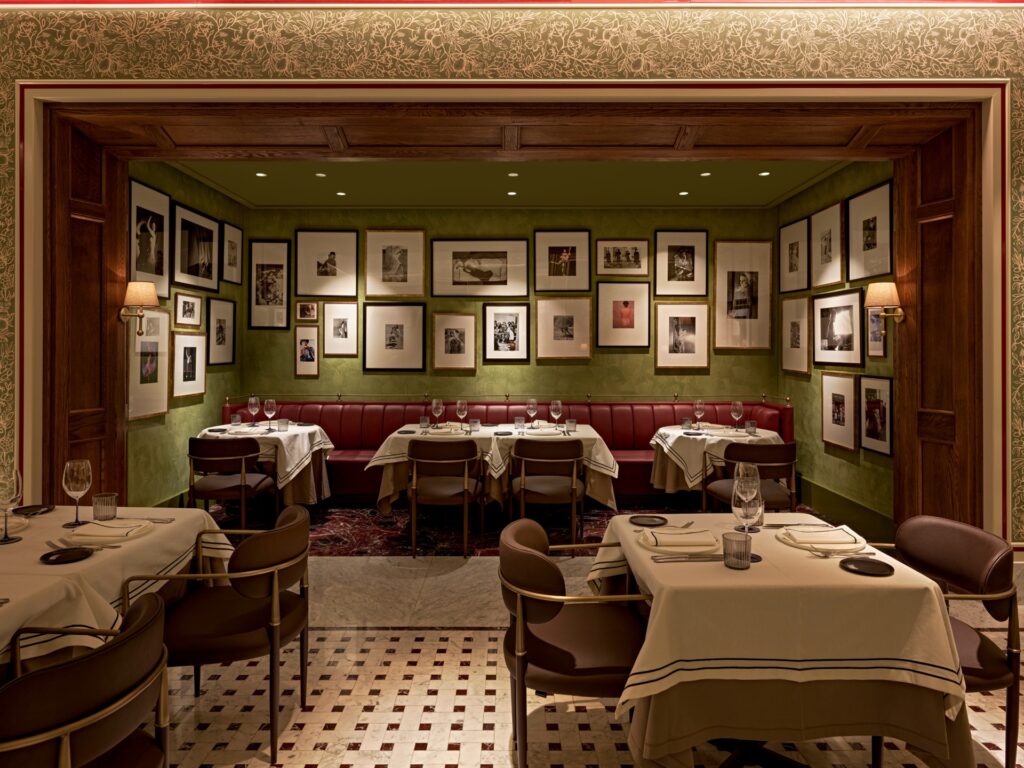
Özerler noted that travelers want to feel they have a friend in a city even when they know no one, and this familiarity emerges when locals also occupy the space.
This thinking reflects a broader shift in hospitality. Hotel lobbies that were once closed and formal now include cafés, bookstores, and social areas intended to attract the public. These decisions are not decorative but strategic. By carefully choosing what occupies shared spaces, a project begins forming relationships before it even opens.
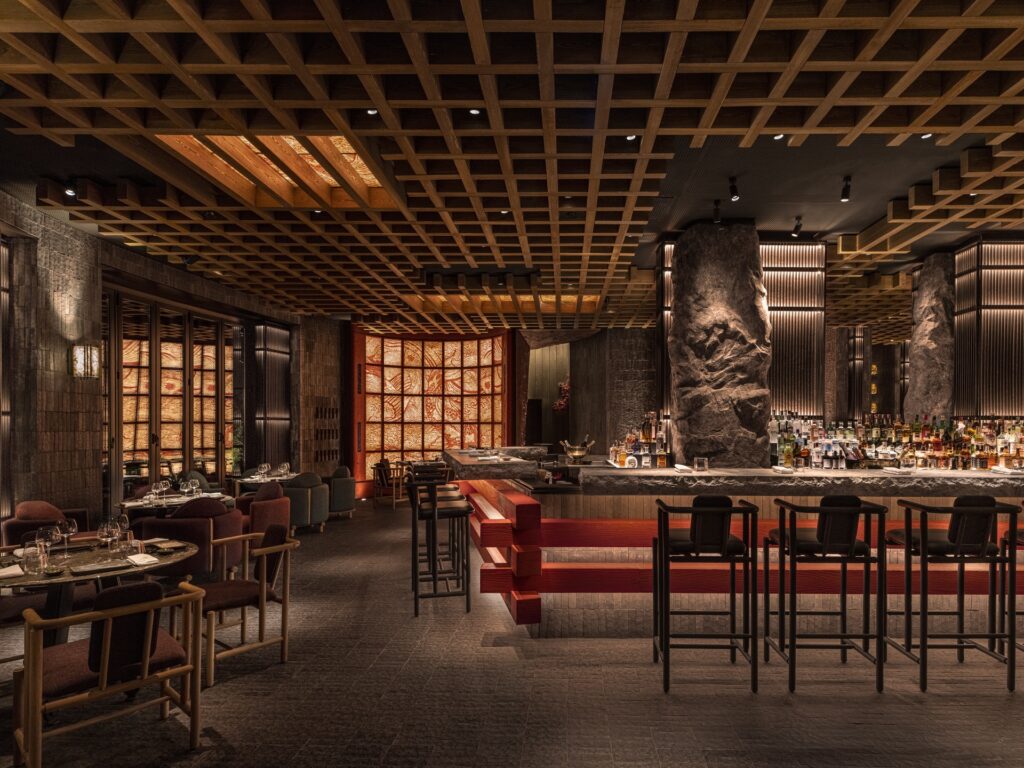
The studio therefore avoids designing around trends. Instead, each project starts by defining its user and understanding how that person lives. If a space follows fashion, it quickly feels outdated; if it reflects lived habits, people return and experience the same emotional connection over time. Sustainability, in this sense, includes durability of feeling as well as material longevity.
Brand strategy plays a parallel role. Şengün emphasized programming and collaboration as core tools, but he described programming not as a calendar of events added after opening, rather as something that informs the project from the beginning. While the architecture team defines the physical structure, the brand team defines how the space will be used: whether it centers on art, music, food, or shared cultural activity.
This directly affects design decisions. If gastronomy is central, spaces may include open kitchens, chef tables, or workshop areas. If the focus is cultural activity, areas for talks, screenings, or gatherings must be considered early. Planning these uses from the start allows the architecture to support them naturally; adding them later often feels forced.
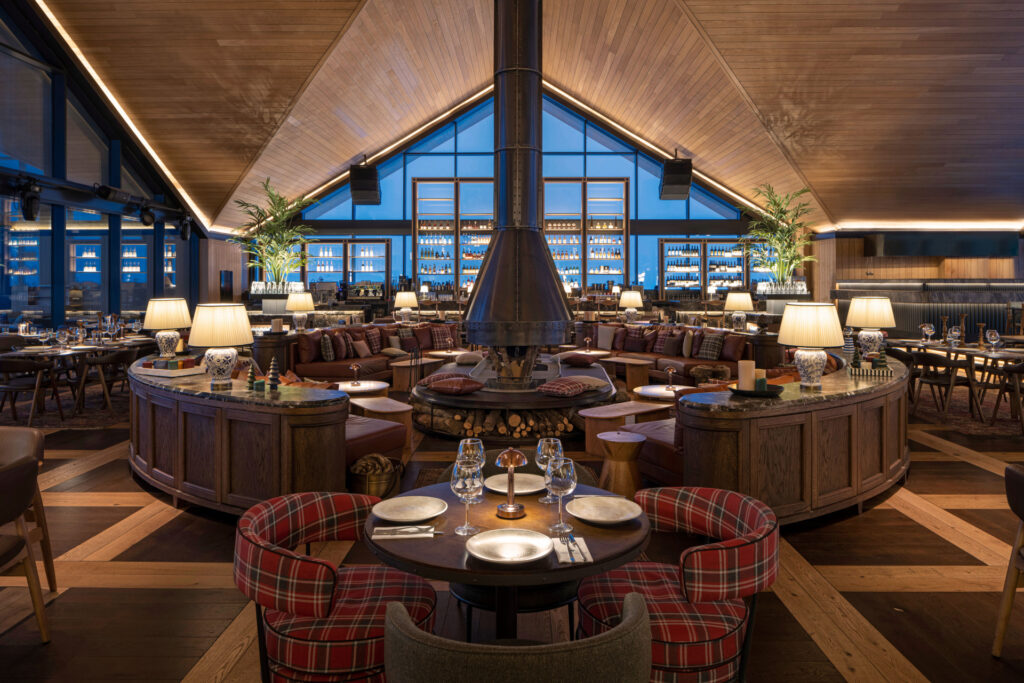
Collaboration functions similarly. Partnerships with artists, chefs, or other brands are not treated as promotion but as a way of bringing overlapping audiences into the same place. In this way, the life of the space is designed alongside the space itself.
This approach also shapes the business side. A project regularly used by returning visitors becomes more stable over time, reducing reliance on constant marketing and making performance easier to anticipate. Community, in this sense, supports continuity rather than novelty.
Ultimately, the speakers described hospitality less as constructing a building and more as shaping behavior. A venue may open overnight, but belonging develops gradually, through repeated visits, shared use, and familiarity. When that happens, a project stops being a destination and starts becoming part of daily life.
…
After the Talk
After the talk, we continued the conversation with Kerem Özerler and Umut Şengün, focusing more closely on travel, sensory experience, and the elements that allow a space to feel lived in rather than visited.
What are people truly looking for when they travel today?
The team described a shift from observation to participation. Travelers increasingly want to connect with the places they visit, with people, culture, and the daily rhythm of a city. Rather than following generic itineraries, they seek experiences shaped around their own interests, moving through a place less like tourists and more like temporary residents.
What is a small detail that makes an experience special but often goes unnoticed?
They pointed to a quiet “sensory layer.” Sound, texture, light, and even scent shape how a place is perceived and remembered, often more strongly than visual design alone. These elements rarely demand attention, yet they define how a space lingers in memory.
In today’s spatial design, what should we focus on?
Their answer was concise: creativity, sustainability, and longevity. For them these ideas are interconnected. A project should be imaginative, responsible in how it is built and operated, and capable of remaining relevant over time.
Why is it so difficult to create a space that both locals and visitors embrace?
Because authenticity cannot be forced. A place that tries to appeal to everyone often loses clarity. When a space feels rooted in its context, locals adopt it naturally, and visitors follow that behavior rather than the other way around.
What makes a space feel alive?
A space becomes alive when people return and begin to treat it as their own. This emerges from a balance of thoughtful design, a clear narrative, and ongoing programming. Interior architecture provides the foundation, but brand story and activity sustain the environment. At Wangan, the brand studio works alongside the design team from the beginning so each project develops as a living ecosystem rather than a finished object.
